
Steiner Ranch, Leander
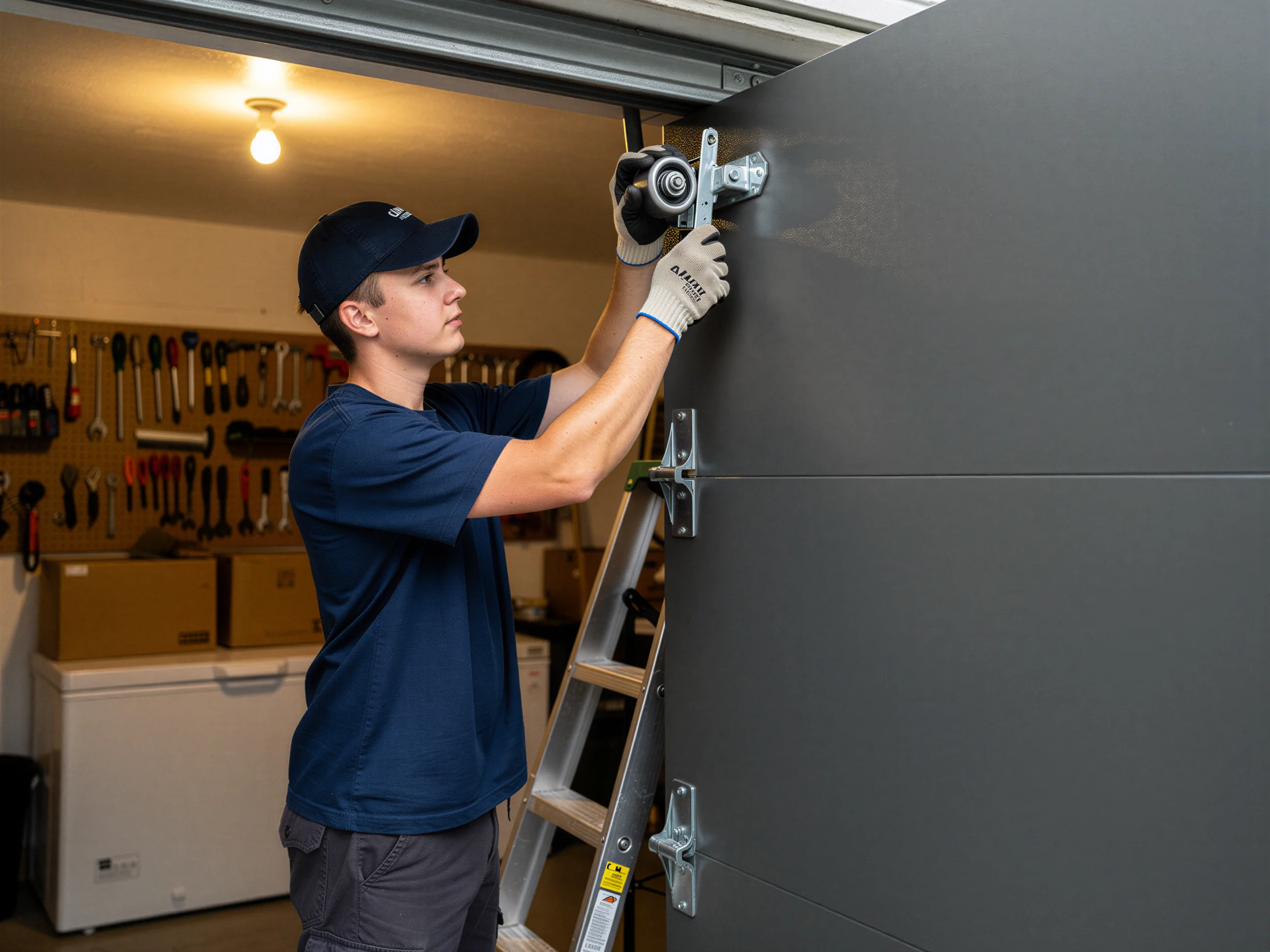
Roller Replacement for Steiner Ranch Garage Doors
Steiner Ranch homes mostly date to around 2004, newer than Leander's broader 1975-2014 stock. That changes which rollers wear out first and how we replace them.
The Complications
Leander's service area overall runs on housing built between 1975 and 2014, with a median around 1999. Steiner Ranch sits later than that median, with most homes going up around 2004.
Nylon roller transition era
That five-year gap matters more than it sounds. By 2004, most builders had already shifted from steel rollers on raw tracks to nylon rollers with sealed bearings, and torsion spring systems had become standard over the older extension-spring setups still common in the earliest 1970s-80s construction.
Brittle nylon rollers
So a roller job here usually means dealing with factory nylon rollers that have gone brittle or lost their bearing seal, not the steel-on-steel wear you'd find in an older pocket of the broader service area.
Consistent roller brackets
The stem length and bracket style on 2004-era doors also tend to be more consistent, which actually makes sourcing a matching roller easier than on a house from the 1980s where the track geometry can vary house to house. We come out from Leander, about 15 miles away, so we bring roller stock sized for this build era rather than guessing on site.
The Symptom
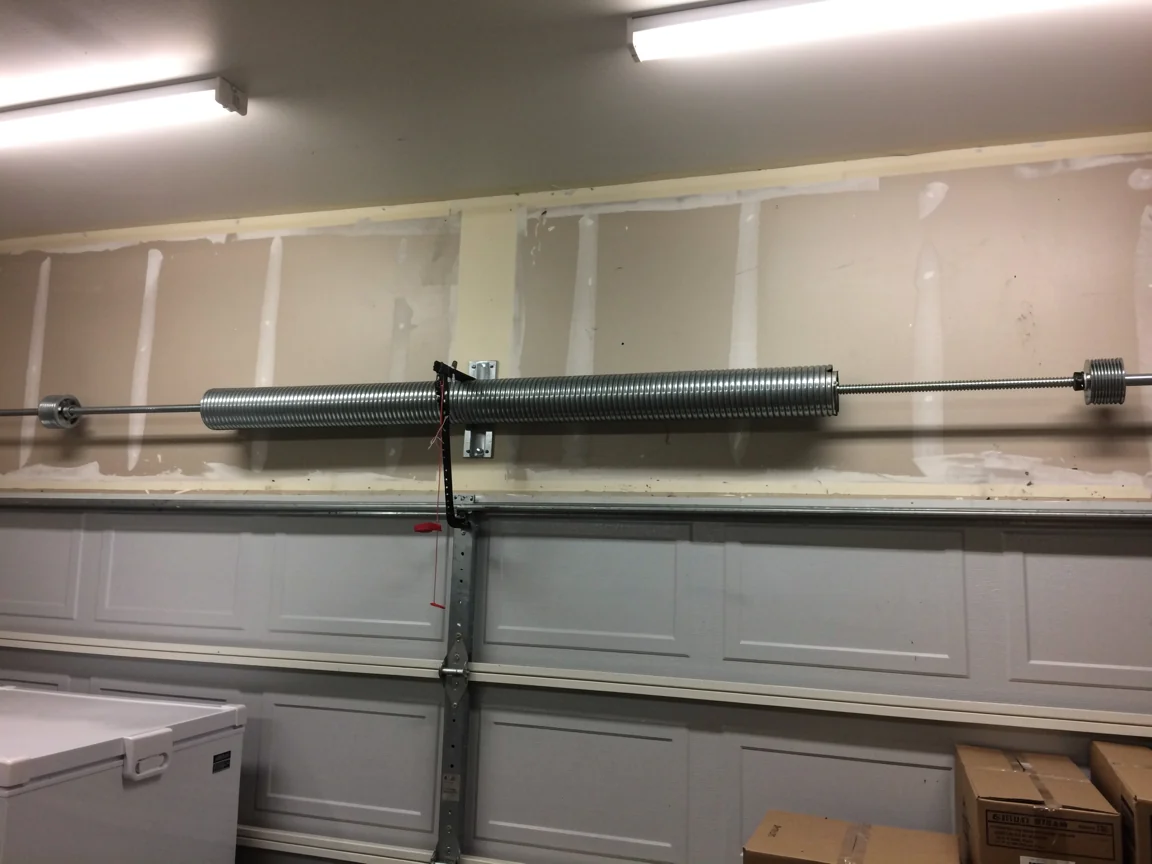
On a door built around 2004, a failing roller usually shows up as a grinding or rumbling sound concentrated at one or two spots in the travel, not the whole way up and down.
Failed roller bearing seal
That's the bearing seal breaking down inside a nylon roller rather than the roller itself flattening, which is more of an issue on older steel rollers. You might also notice the door hesitating or jerking slightly as a worn roller catches in the track, especially on the curved section near the top.
Whole-run noise causes
If the noise is coming from the whole run evenly, that's more often track alignment or lubrication, not the rollers themselves - worth ruling out before assuming roller wear.
No cold cracking here
Mild winters here mean rollers don't crack from cold the way they might in harsher climates, so when a 2004-era roller fails, it's almost always bearing wear from age and cycles, not weather damage.
What the Fix Involves
We pull the door down, support it, and work roller by roller rather than yanking the whole set at once - that keeps the door aligned while we're mid-job.
Matching stem roller swap
On 2004-era doors in this area, we're usually swapping nylon rollers with sealed bearings for new ones of the same stem length and bracket fit, which is a more consistent job than on older housing stock with mismatched hardware from past repairs.
Track groove cleanup
We check the track for wear grooves at the same time, since a track that's been chewed up by a dying roller can ruin a brand-new one fast if it's not cleaned up first.
Track repair beyond rollers
One honest limitation: if the track itself is bent or badly worn, roller replacement alone won't fix the noise or binding - that's a separate repair, and we'll tell you straight if that's what we're looking at rather than selling rollers that won't solve it.
What It Costs
We don't post a flat price here because roller count, stem length, and whether the track needs attention all change the number, and we're not going to quote blind on a job we haven't seen. What we can tell you is that a full roller replacement on a 2004-era door is typically a shorter job than on older stock, since the hardware is more standardized and we're not fighting mismatched brackets from decades of patch repairs. We travel from Leander for every call in this area, so the quote accounts for that distance rather than assuming a local branch rate.
Questions
Common questions
Are the rollers on my Steiner Ranch garage door different from an older house in the area?
Likely, yes. Most homes here went up around 2004, later than the broader service area's median of 1999, so you're more likely to have factory nylon rollers with sealed bearings rather than the steel rollers common on 1970s-80s doors. That changes what wears out and how it sounds when it fails.
Do you have a crew based in Steiner Ranch?
No. We run out of Leander, about 15 miles away, and travel to Steiner Ranch for every job. There's no local branch here - just want you to know that going in.
Why does my door only grind in one spot instead of the whole way up?
That's typical of a single failing nylon roller with a broken bearing seal, which is the most common roller issue on doors built around 2004. If the noise were even across the whole travel, we'd look at track alignment or lubrication instead.
Will new rollers fix a door that's also jerking or hesitating?
Usually, if the cause is a worn roller catching in the track. But if the track itself is bent or grooved from long-term wear, rollers alone won't solve it - we'll check the track first and tell you if that's a separate repair before we replace anything.
Explore more
More Services in Steiner Ranch
Emergency Garage Door
Broken spring or dead opener in Steiner Ranch? Learn more →
Garage Door Repair
Steiner Ranch homes mostly date to the early 2000s, so original springs and openers are closing in on 20 years old. Learn more →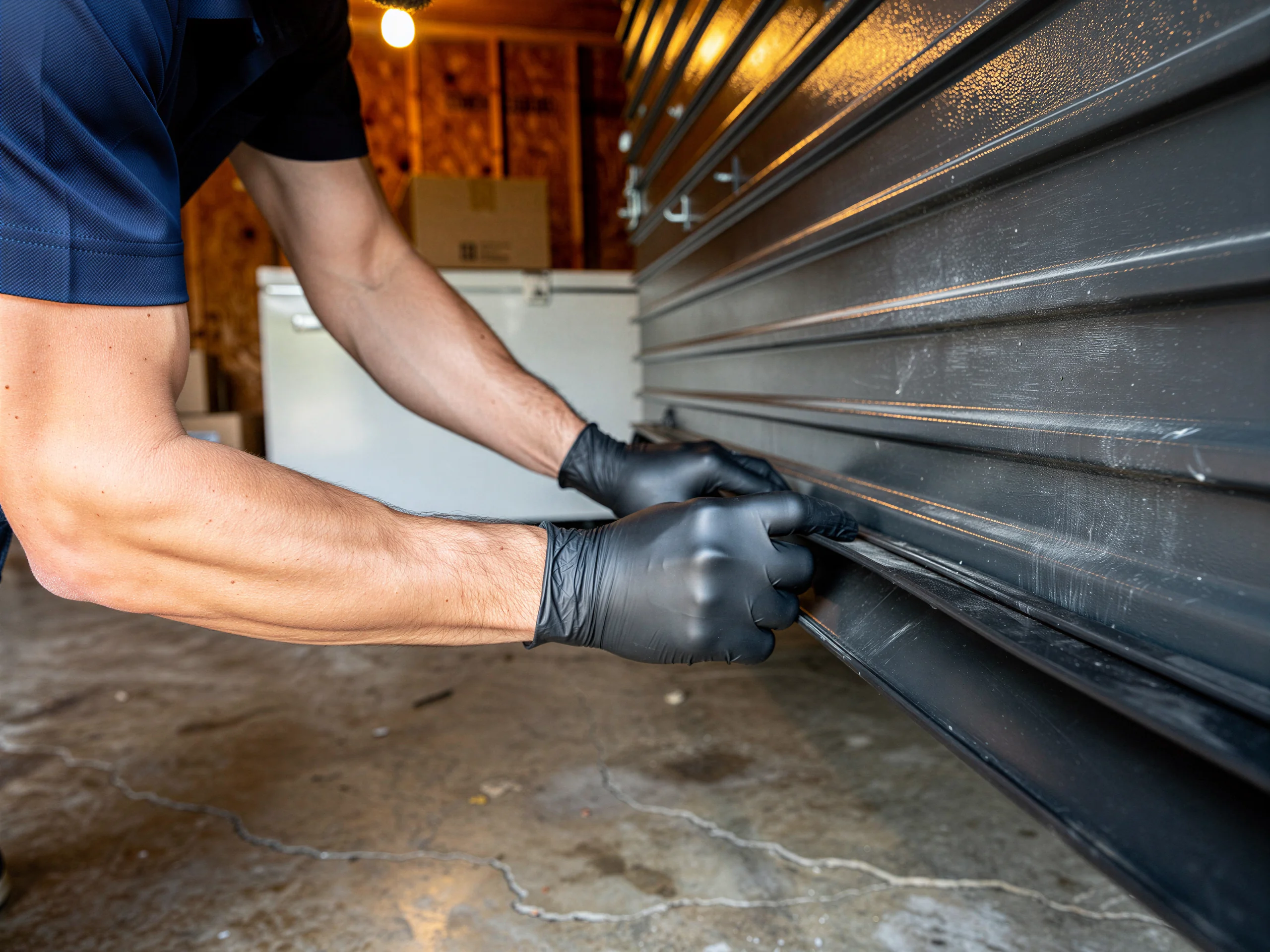
Garage Door Service
Steiner Ranch homes went up mostly after 2000, with wide insulated steel doors on standard torsion springs. Learn more →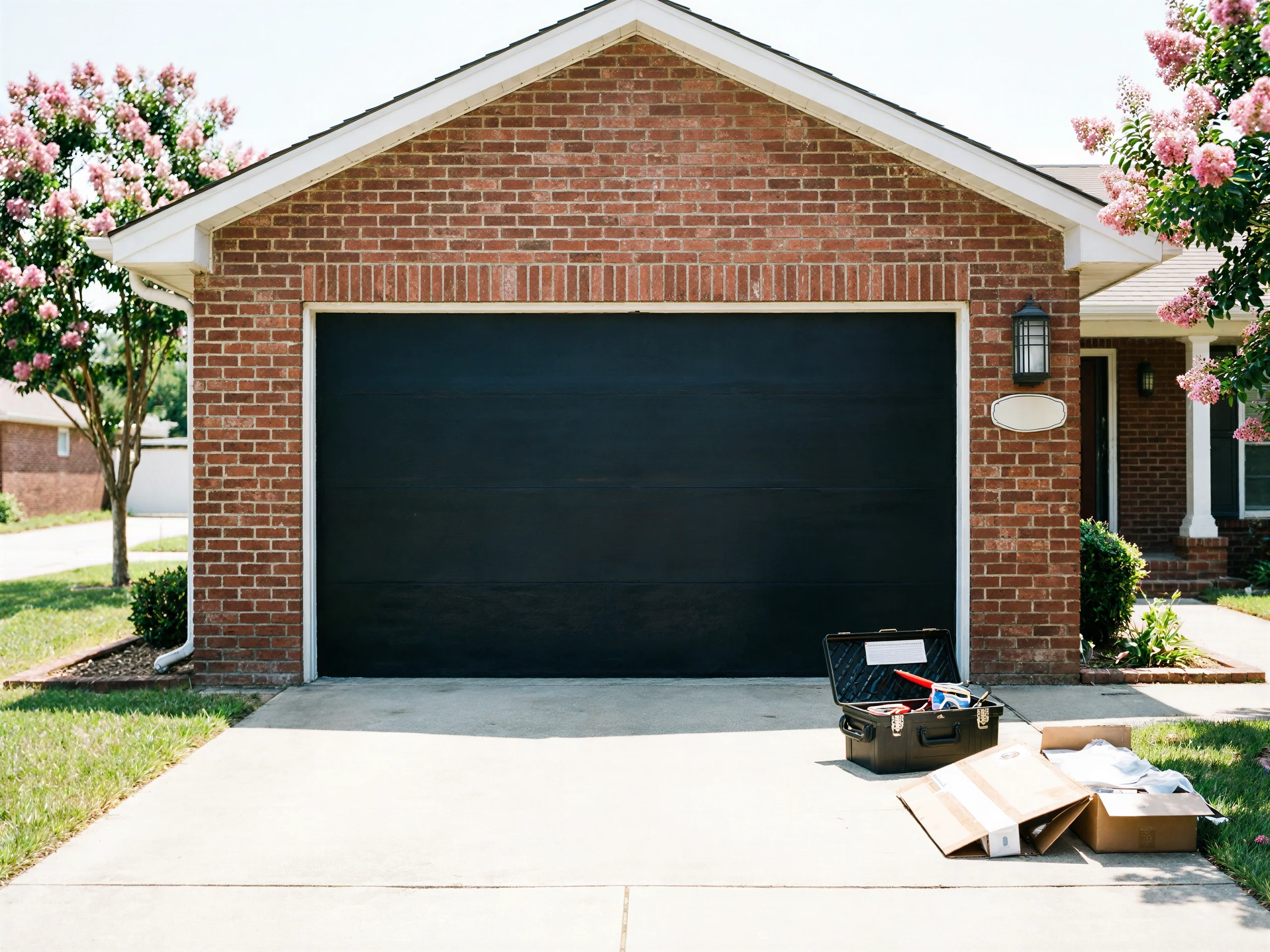
New Door Installation
Steiner Ranch homes mostly date to 2004, a decade newer than the rest of the Leander service area. Learn more →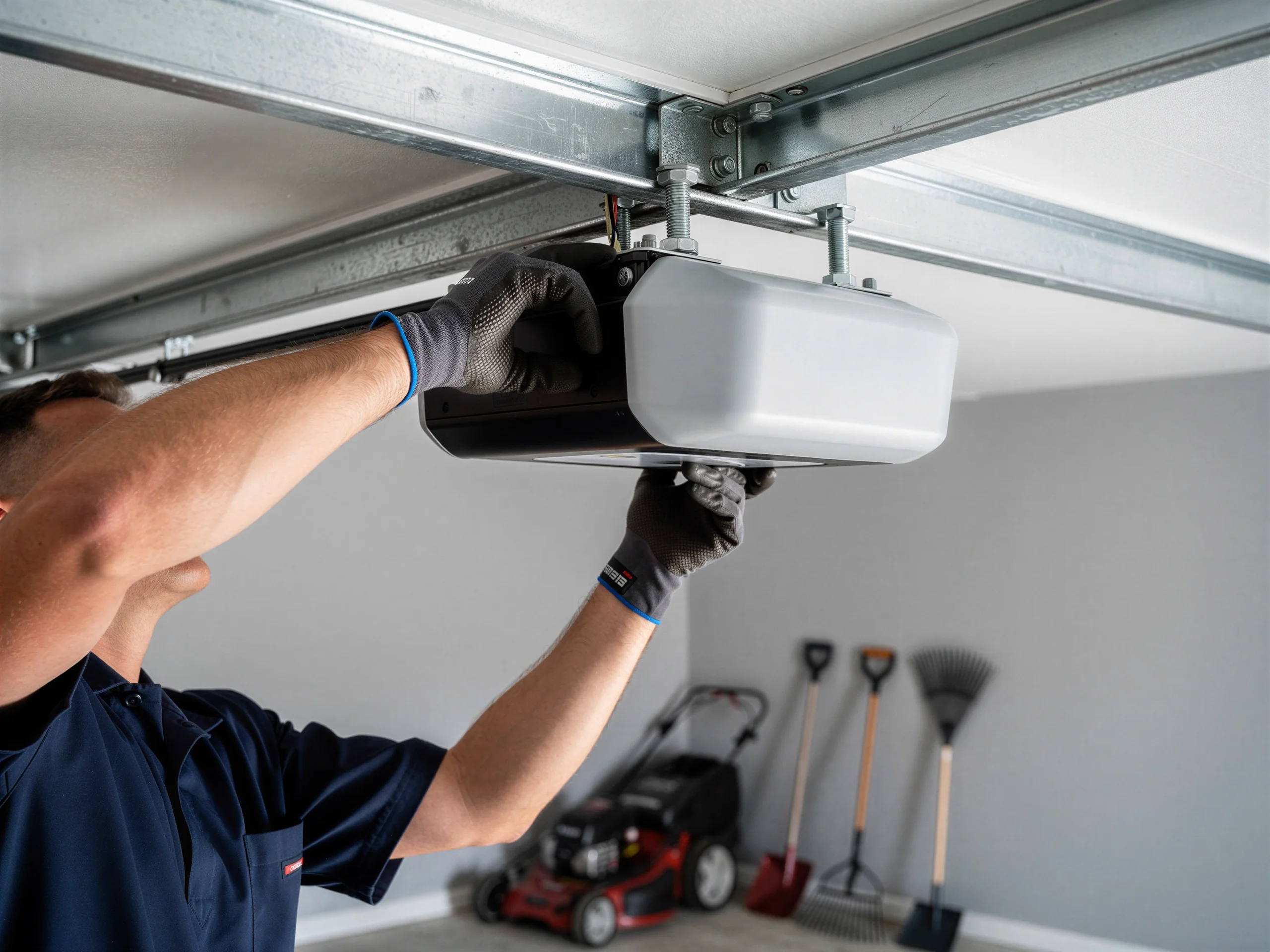
Opener Installation
Steiner Ranch has about 6,581 households, mostly built after 2000 with heavier doors. Learn more →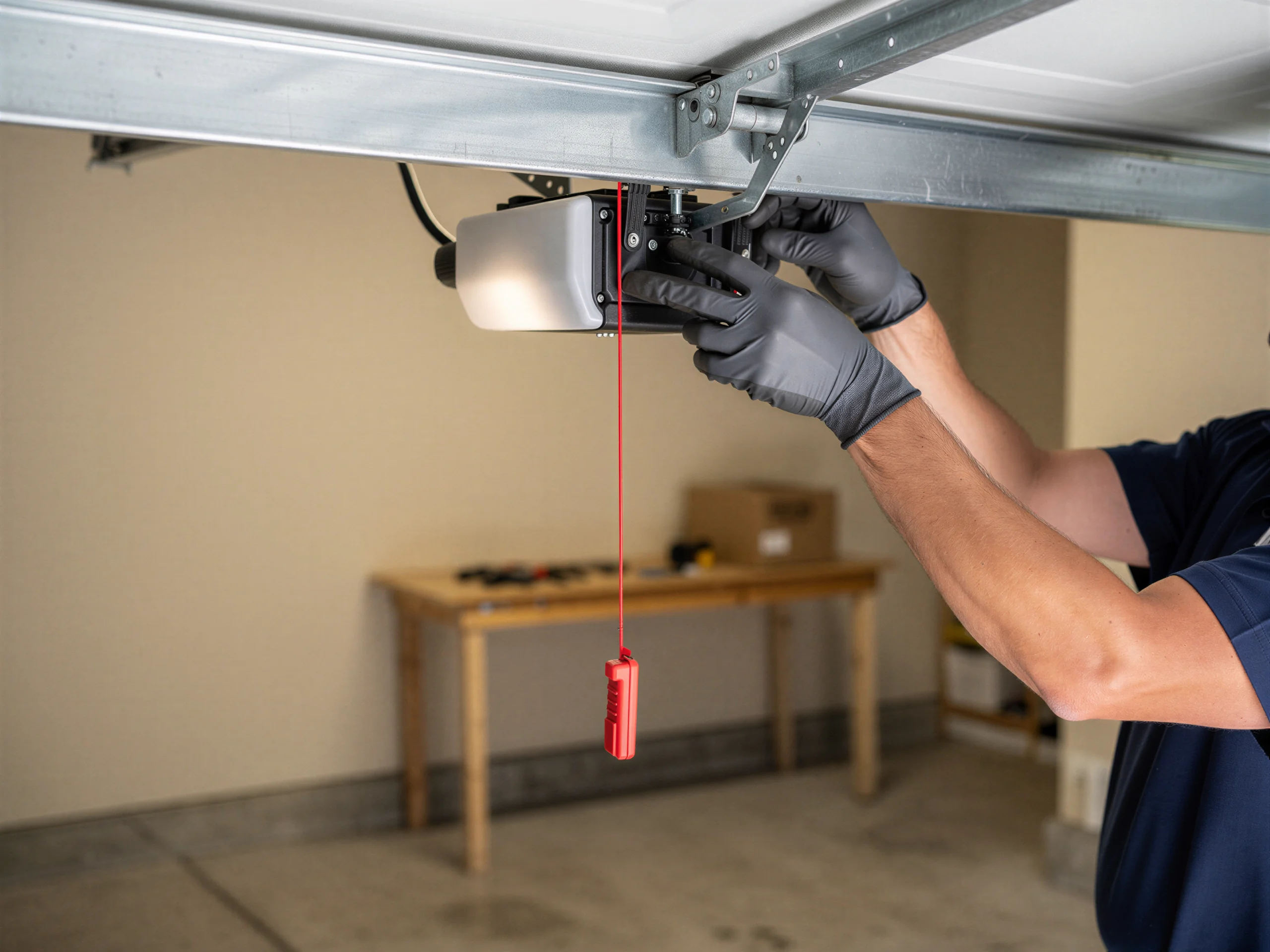
Opener Repair
Opener repair for Steiner Ranch homes built mostly after 2004. Learn more →
Spring Repair
Steiner Ranch homes built mostly after 2000 use heavier torsion springs on wider doors. Learn more →Ready when you are
Need a garage door sorted in Leander?
Leander Garage Door Pros repairs and installs garage doors, springs and openers in Leander, TX and the surrounding area.