
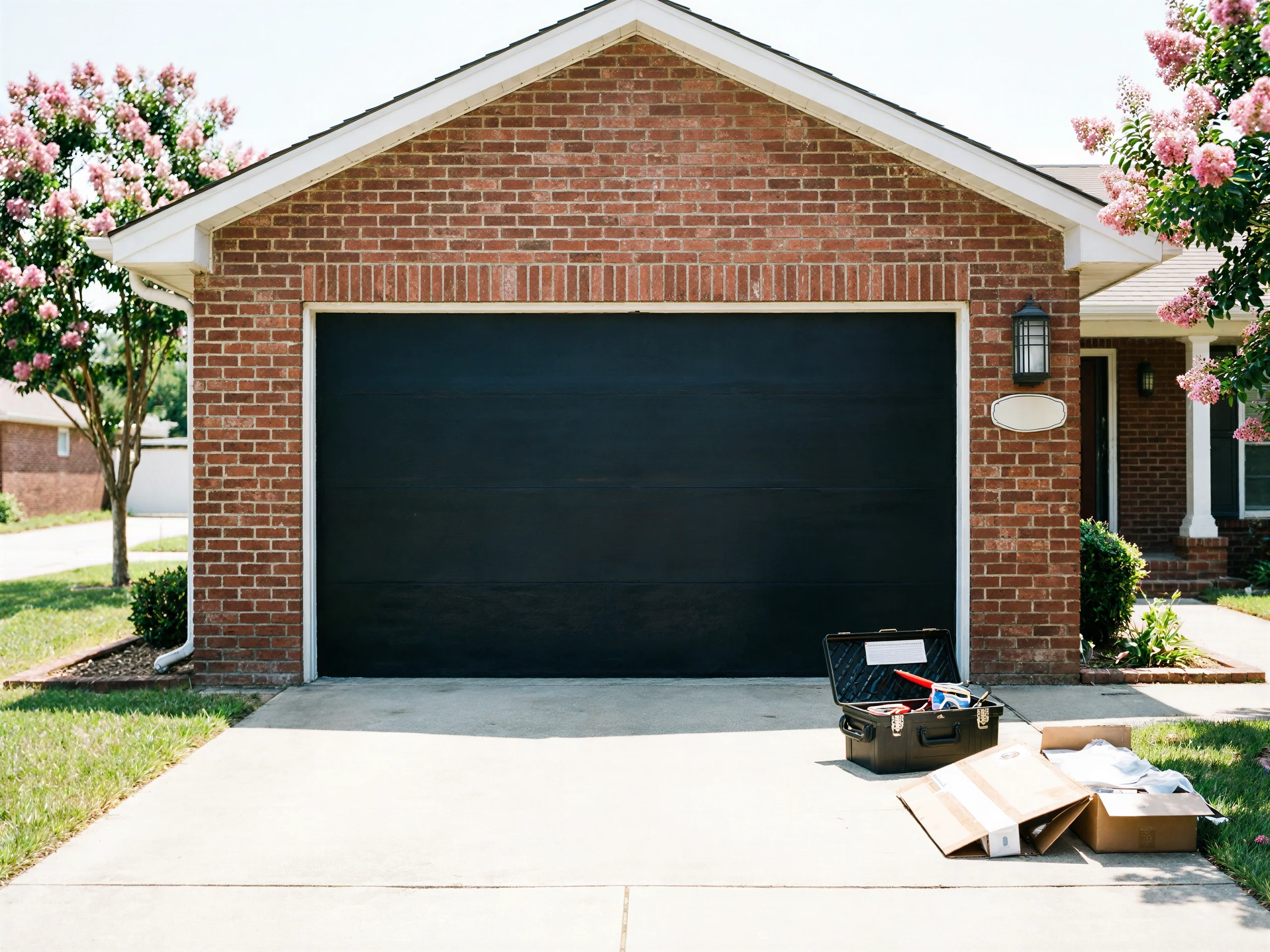
Steiner Ranch, Leander
New Garage Doors for Steiner Ranch's 2004-Era Housing Stock
Steiner Ranch homes mostly date to 2004, a decade newer than the rest of the Leander service area. See what that means for your door, spring and opener choice.
The Complications
Steiner Ranch's median build year sits around 2004, which puts it a good five years ahead of the 1999 median across the wider Leander service area we work in.
Early 2000s install design
That matters more than it sounds like it should. Doors and openers going up in the early 2000s were almost always steel sectional panels on torsion spring systems rated for a set number of open-close cycles, paired with chain or belt-drive openers that predate rolling-code security and battery backup as standard features.
Outage-stranded openers
Twenty years on, that's the hardware you're dealing with: a torsion spring nearing or past its rated life, an opener that's one good power outage away from leaving the door stuck wherever it sat, and a panel that was never insulated because insulation wasn't the default spec it is now.
Why swaps fall short
None of this is unique to one house. It's the shape of an entire build era, and it's why a straight swap-in replacement often isn't the right call anymore - the opening, the spring sizing, and the drive mechanism all deserve a second look, not just a new skin on old bones.
The Symptom
The usual complaint we hear is an opener that's noticeably slower than it used to be, or a door that reverses partway up for no clear reason.
Uneven bottom corners
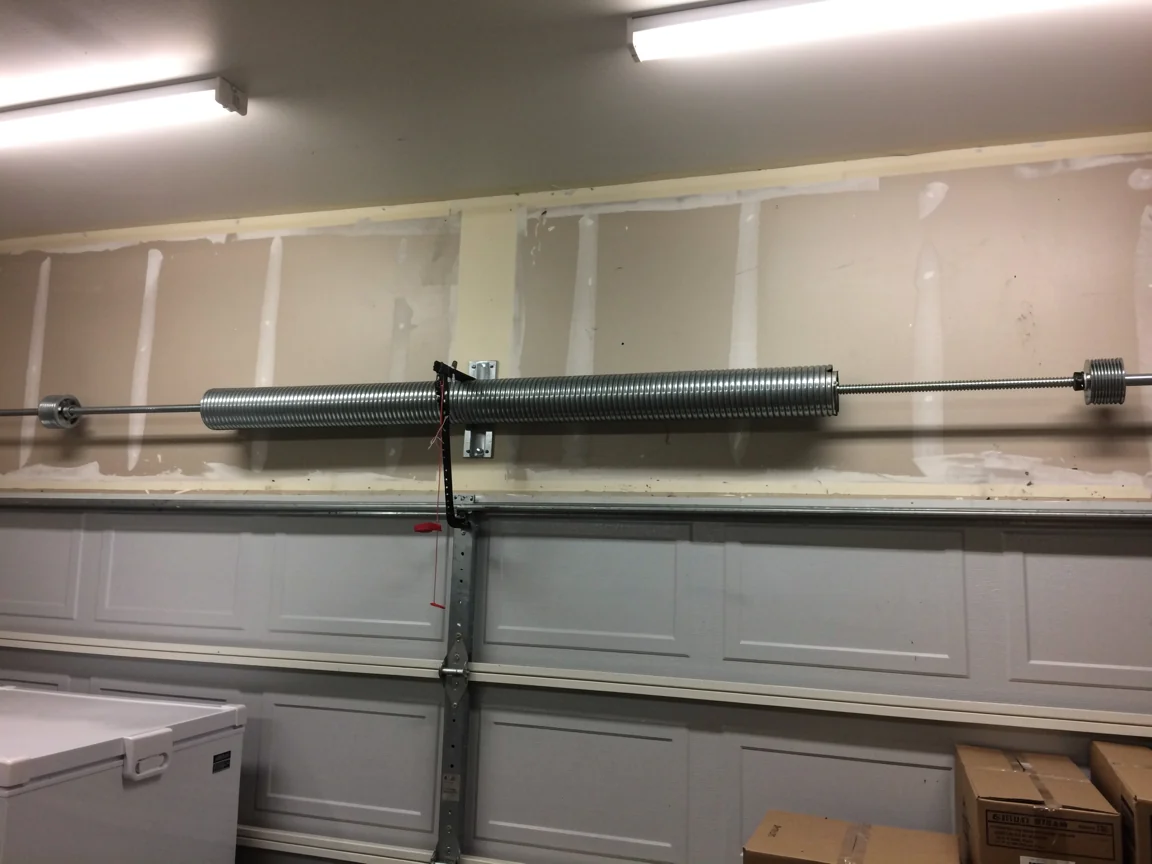
Sometimes it's a door that looks fine closed but doesn't sit flush at the bottom corners anymore - a sign the torsion spring has lost tension unevenly over the years.
Cold stiffened springs
In our mild climate with occasional freezes, you don't get the dramatic seal failures that show up in harsher climates, but that same freeze-thaw cycling is enough to stiffen an aging spring just enough to throw the whole door out of balance.
Door feels heavier
You might also notice the door feels heavier when you try to lift it manually - that's usually the spring, not the door itself. None of these are emergencies on day one, but they're the early signs of hardware that's run its course rather than a door that needs a quick fix.
What the Fix Involves
A proper installation starts with measuring the actual opening, not assuming it matches a stock size - openings from this era can run slightly non-standard depending on the builder.
Spring sized to new weight
From there, we size a new torsion spring to the real weight of the door going in, not the one coming out, since insulated doors weigh more than the bare steel panels that were common when these houses were built.
New track and rollers
We mount new track and rollers rather than reusing worn ones, since mismatched old and new hardware is a common cause of early failure. On the opener side, most homeowners here move up to a unit with battery backup and rolling code, both of which were optional extras rather than standard features in 2004.
One-visit full install
We travel out from Leander for every job in Steiner Ranch, about 15 miles each way, so we schedule the full install in one visit rather than splitting it into multiple trips.
What It Costs
We don't post a flat number here because the range is wide - a single steel door and a double insulated carriage-style door aren't priced anywhere near each other, and neither are a basic opener versus one with battery backup and smart controls. What we can tell you is that in an area with a median household income over $195,000, we see more homeowners choosing insulated steel or composite doors over the bare single-layer panels that were standard when these houses were built, simply because the upgrade cost difference is smaller than people expect relative to the house itself. The honest limitation: if your opening is non-standard or your framing has settled over twenty years, that adds labor you won't see quoted on a generic price list anywhere. We give you a real number after we've measured your opening, not before.
Questions
Common questions
Is my original garage door opener still safe to keep if I replace the door?
If your house was built around 2004, the opener is likely original and nearing the end of its working life even if it still runs. We can test it during the install, but most openers from that era lack rolling code and battery backup, both worth upgrading when you're already replacing the door.
Why does my door feel unbalanced even though nothing looks broken?
A torsion spring loses tension gradually over its rated cycle life, and in houses built around 2004 that spring is now about two decades old. Uneven tension shows up as a door that drifts, won't stay put halfway, or feels heavier on one side when lifted by hand.
Do you have a local office in Steiner Ranch?
No - we're based in Leander and travel out to Steiner Ranch for every job, about 15 miles each way. We schedule the full install in a single visit rather than splitting the work across multiple trips.
Explore more
More Services in Steiner Ranch
Emergency Garage Door
Broken spring or dead opener in Steiner Ranch? Learn more →
Garage Door Repair
Steiner Ranch homes mostly date to the early 2000s, so original springs and openers are closing in on 20 years old. Learn more →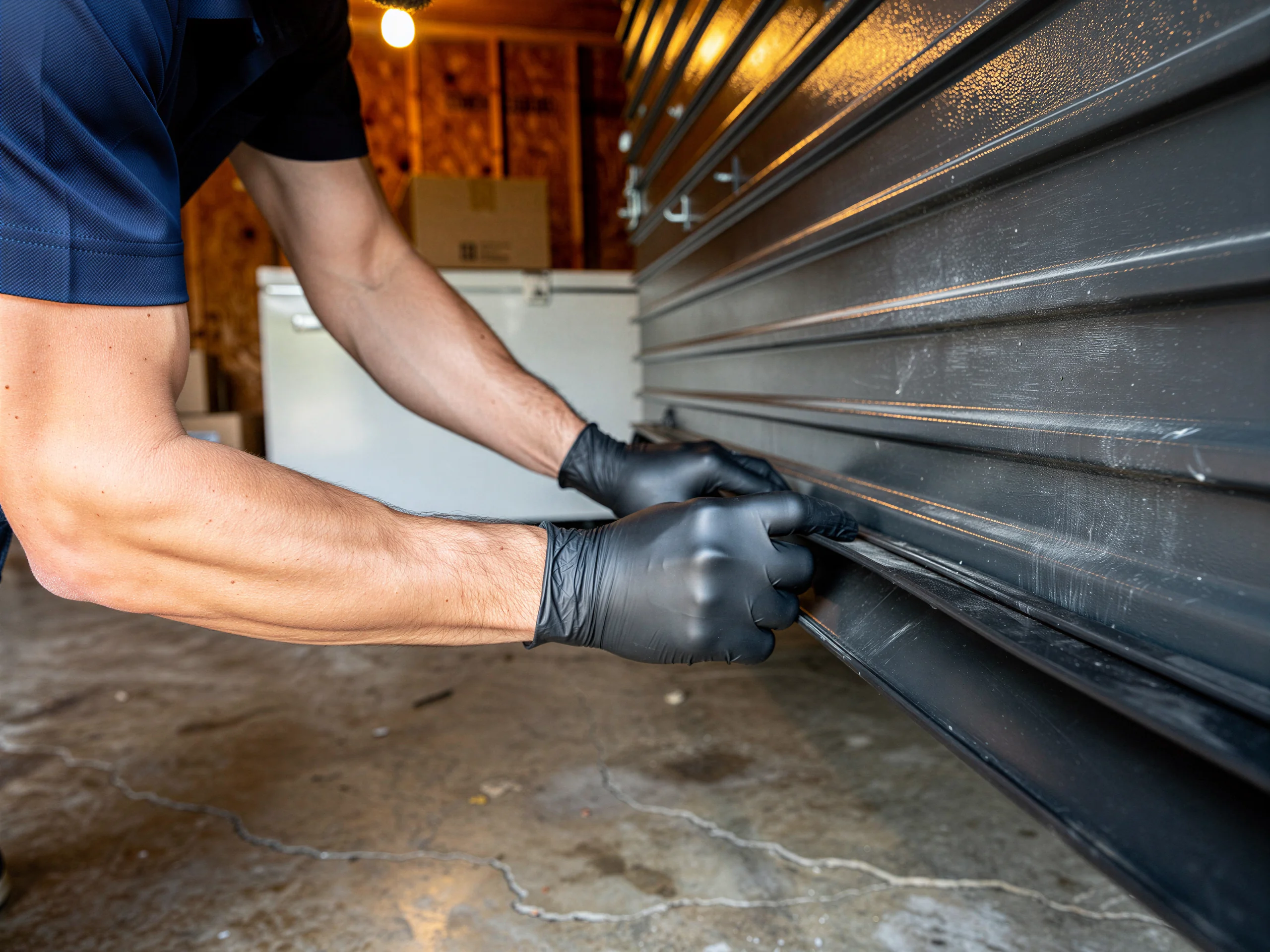
Garage Door Service
Steiner Ranch homes went up mostly after 2000, with wide insulated steel doors on standard torsion springs. Learn more →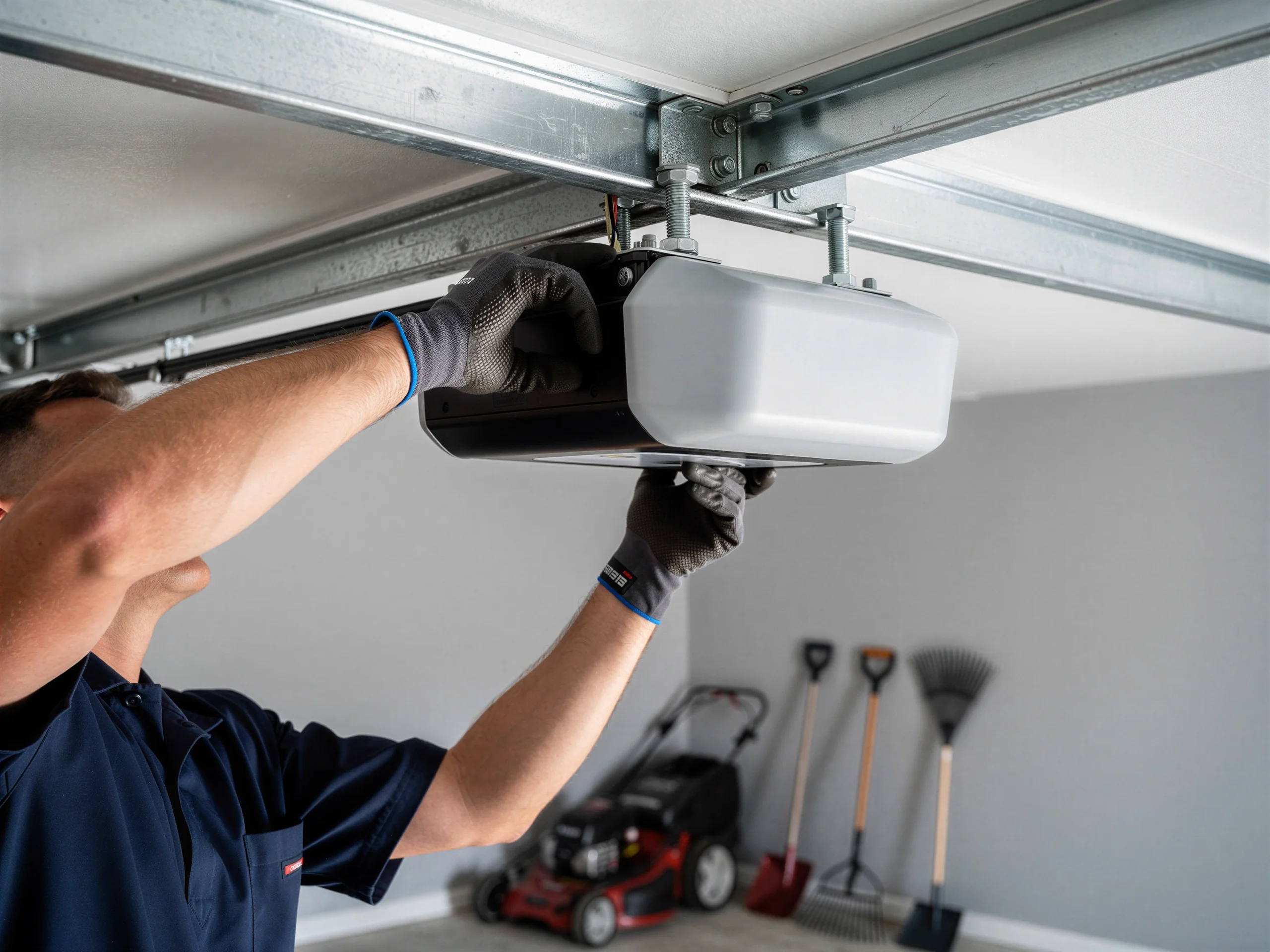
Opener Installation
Steiner Ranch has about 6,581 households, mostly built after 2000 with heavier doors. Learn more →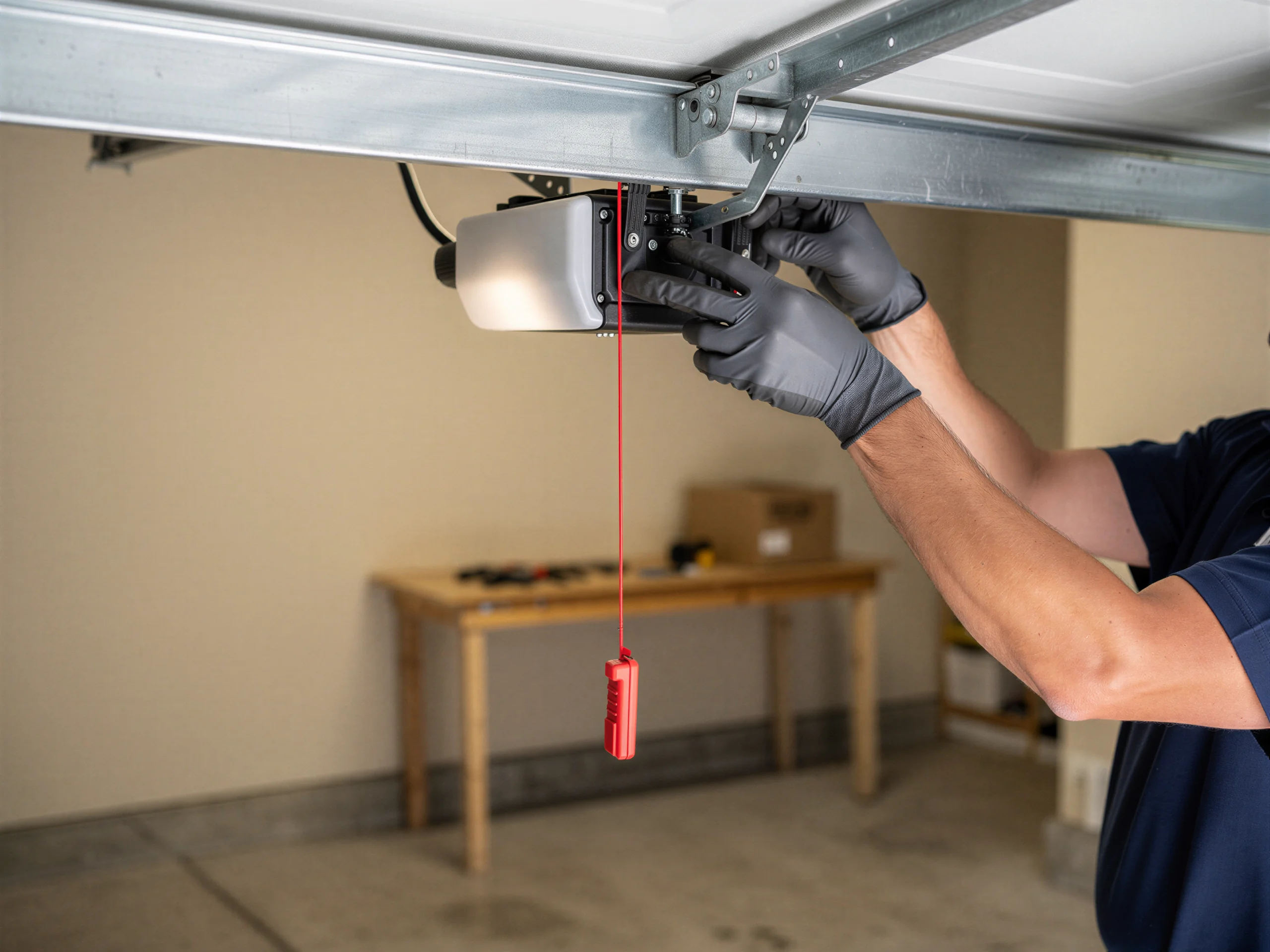
Opener Repair
Opener repair for Steiner Ranch homes built mostly after 2004. Learn more →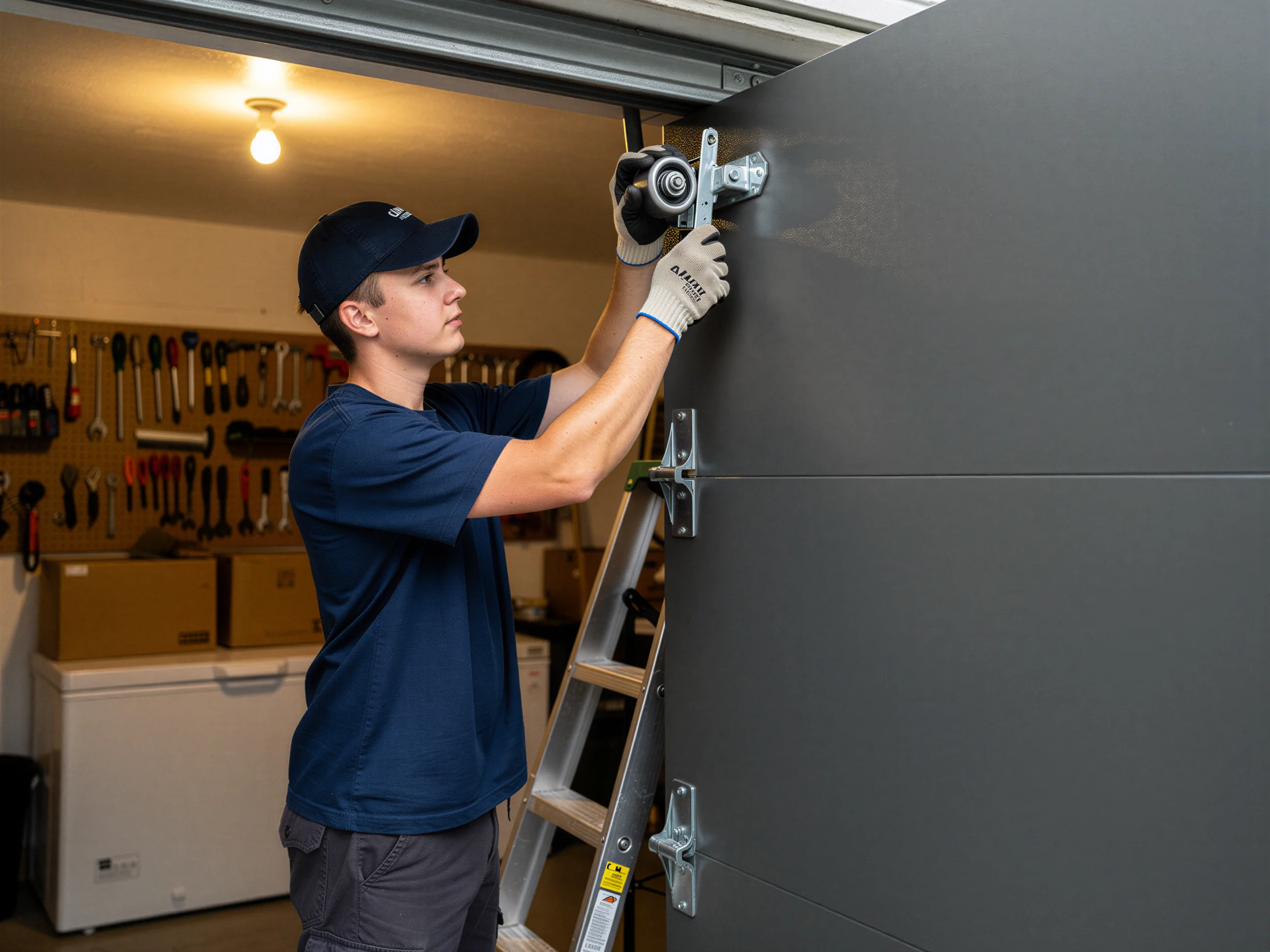
Roller Replacement
Steiner Ranch homes mostly date to around 2004, newer than Leander's broader 1975-2014 stock. Learn more →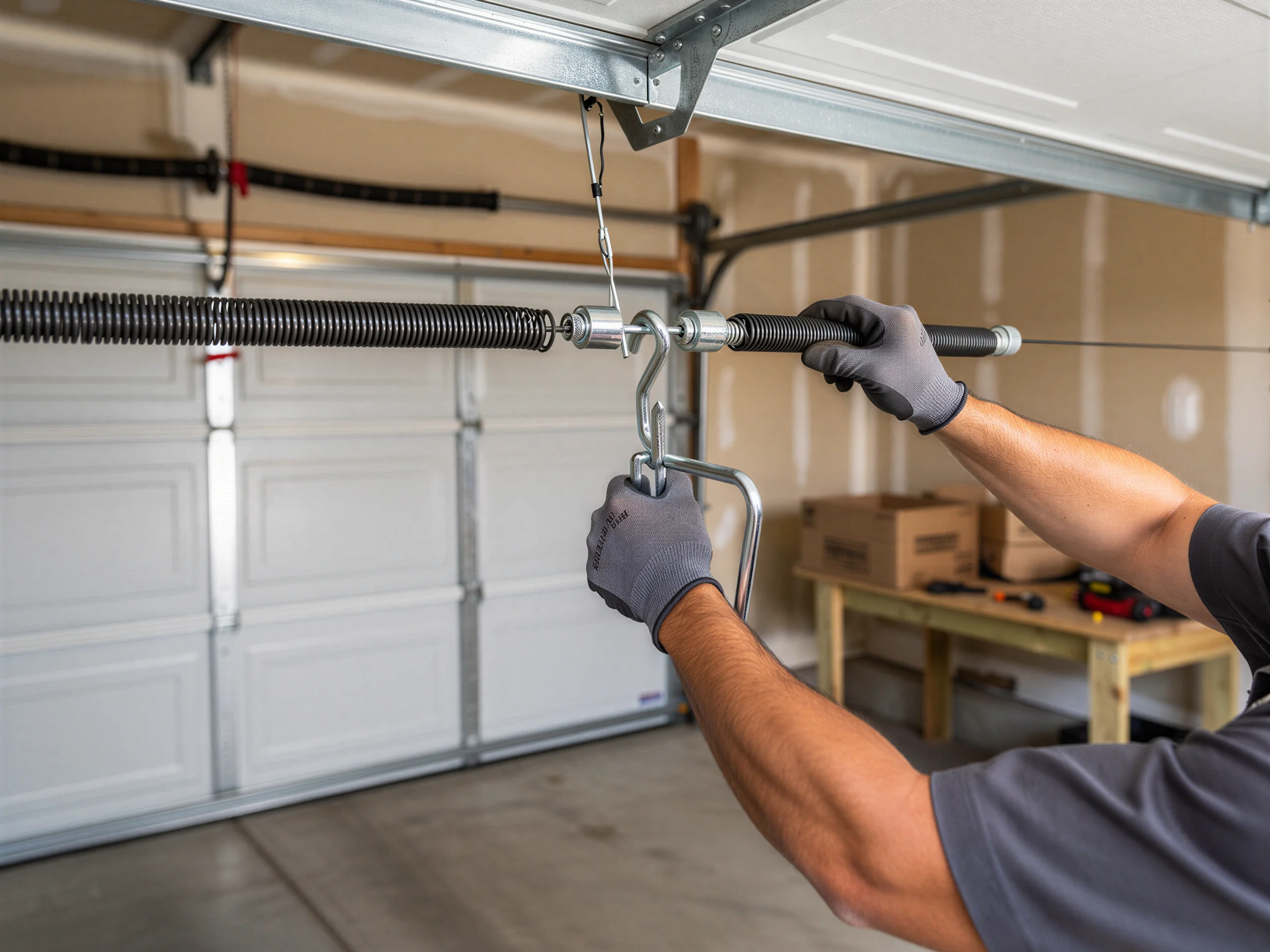
Spring Repair
Steiner Ranch homes built mostly after 2000 use heavier torsion springs on wider doors. Learn more →Ready when you are
Need a garage door sorted in Leander?
Leander Garage Door Pros repairs and installs garage doors, springs and openers in Leander, TX and the surrounding area.