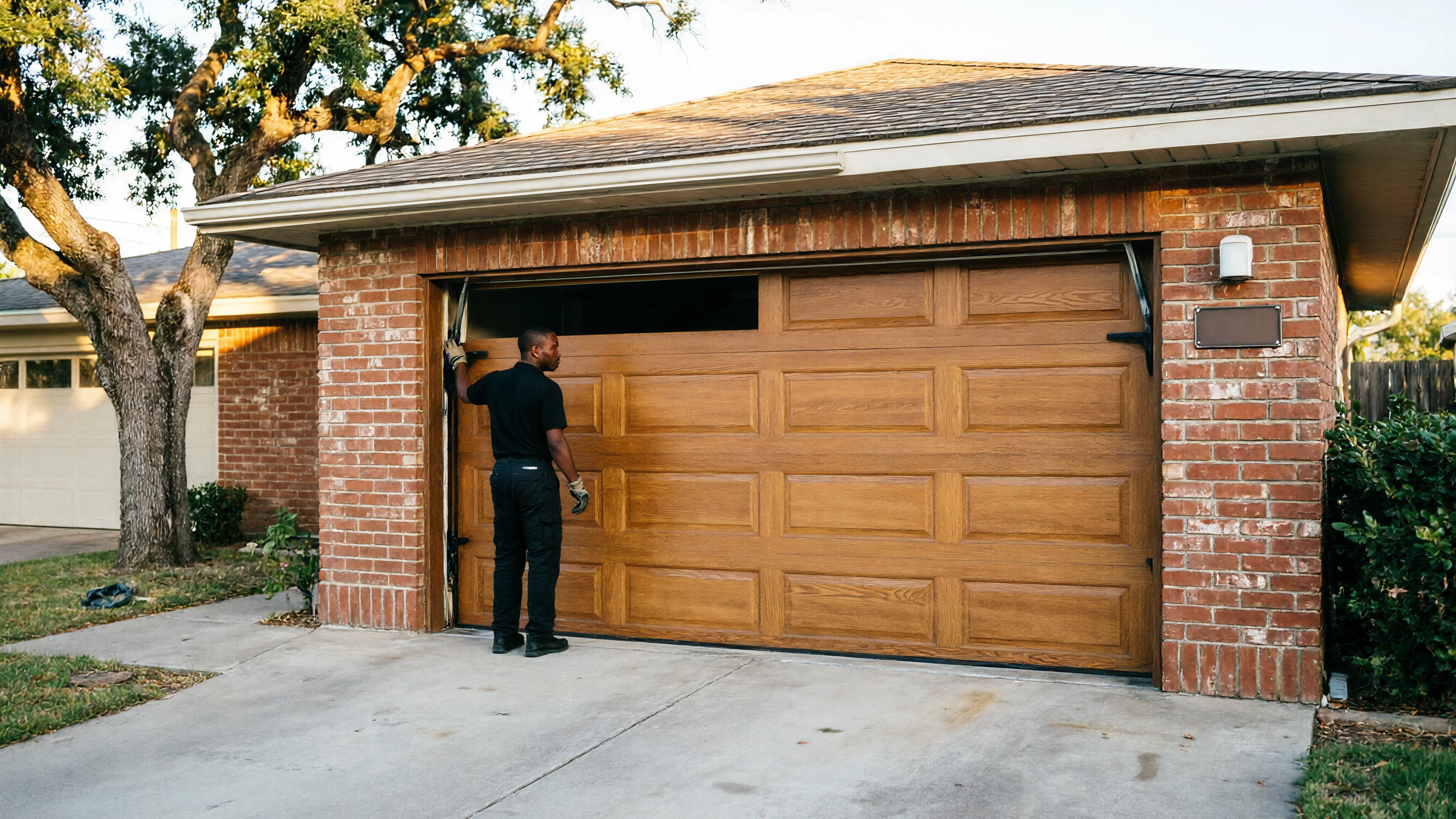
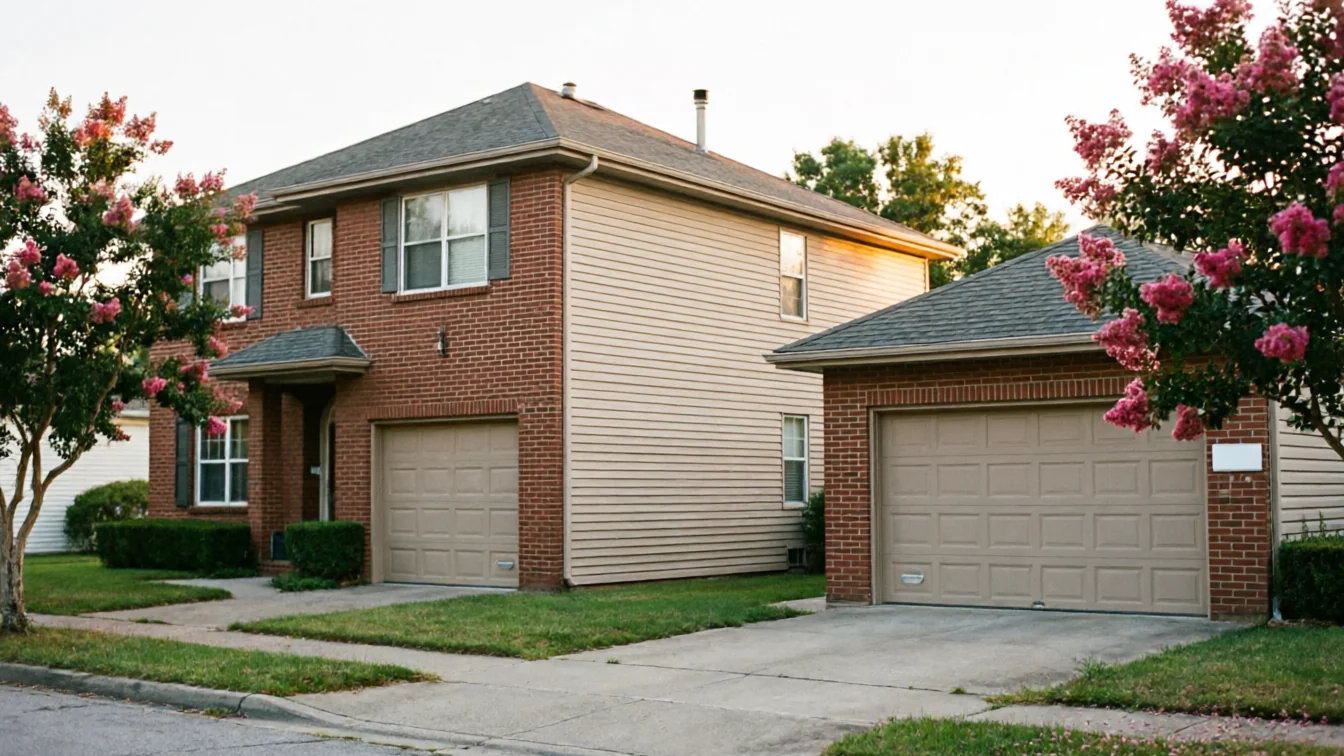
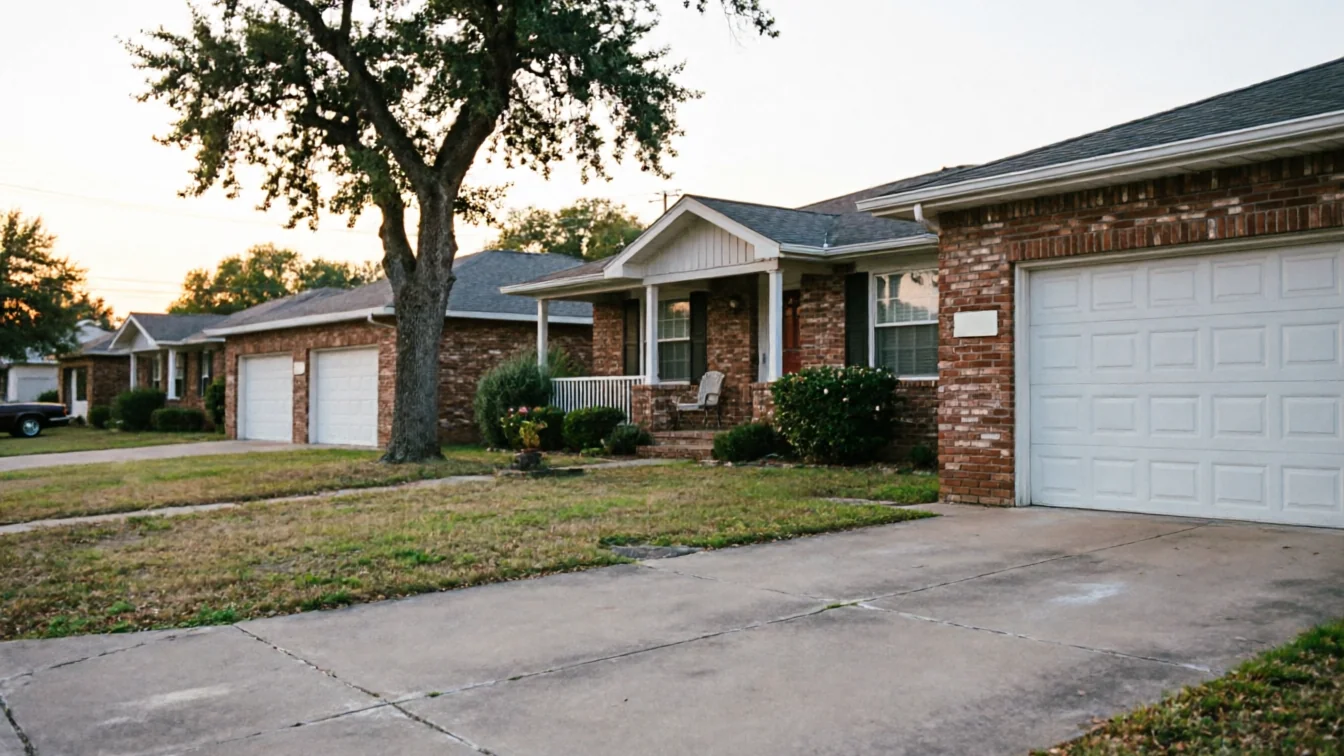
The 38,358 households and 19,431 owner-occupied houses spread across this area aren't all sitting on the same kind of garage door, because they weren't all built in the same stretch of years. Housing here runs from 1975 through 2014, with a median year of 1999, and the heaviest cluster - the 1980s and 90s stock - shows up across 14 named areas, not just one neighborhood.
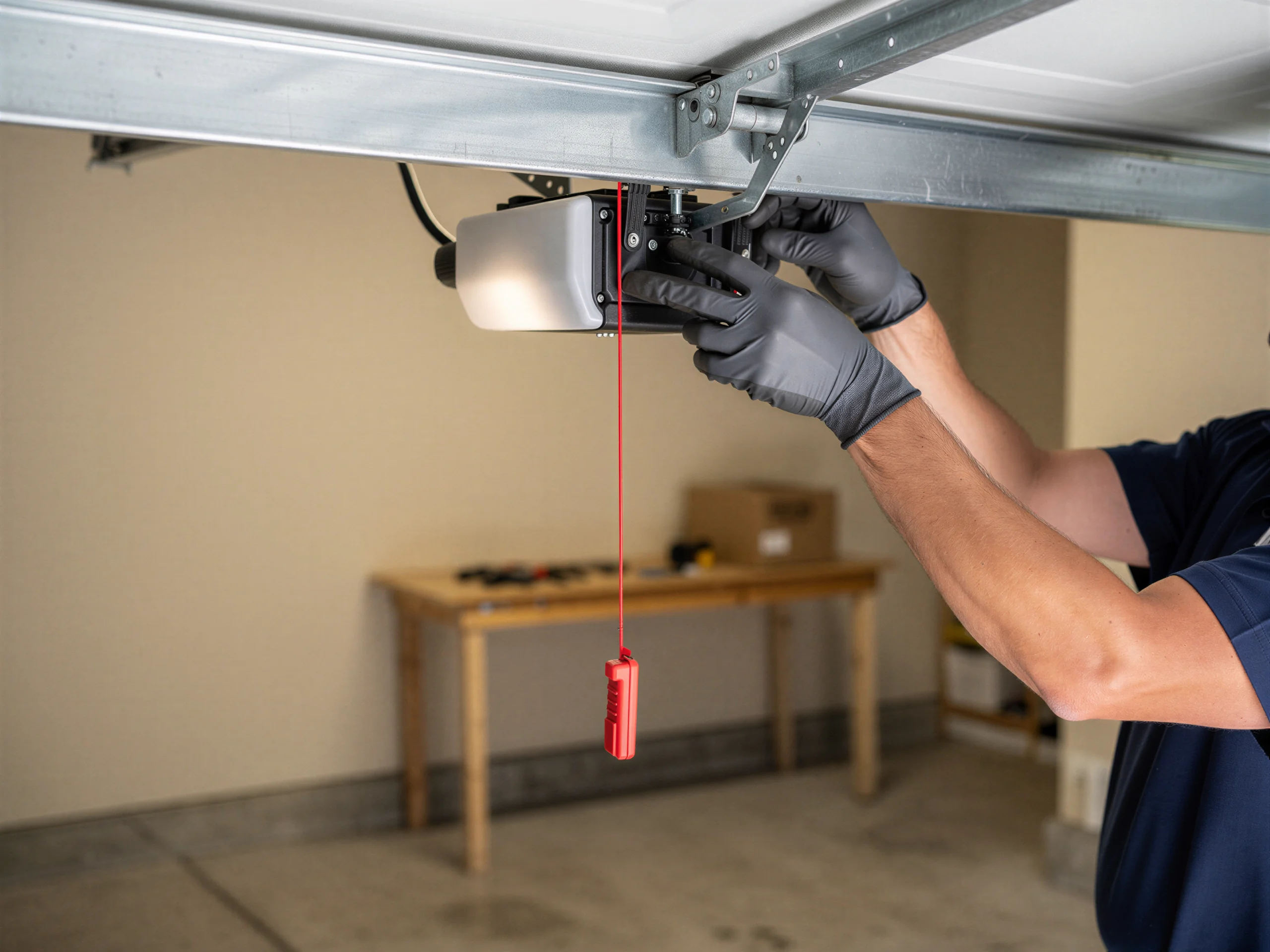
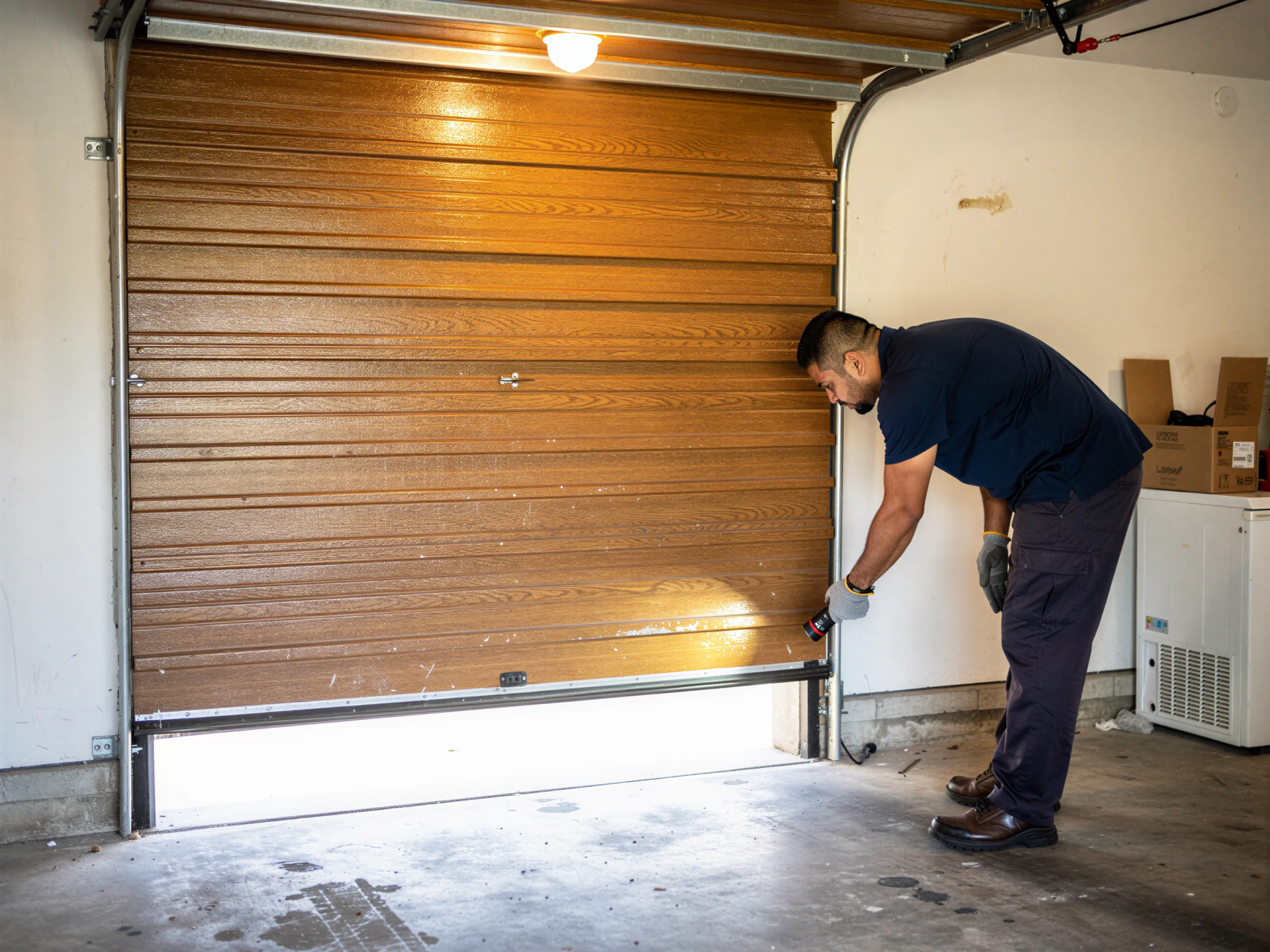
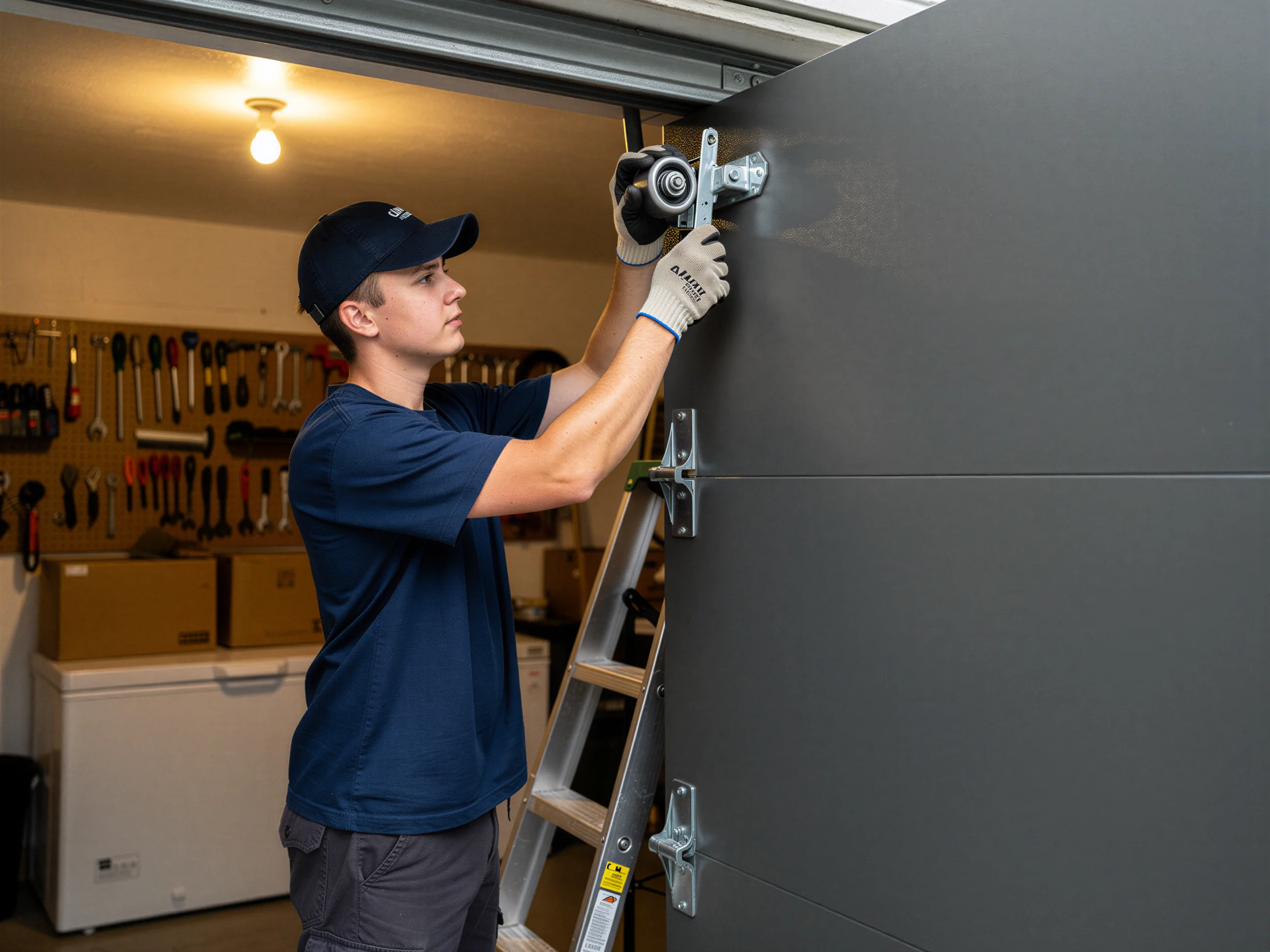
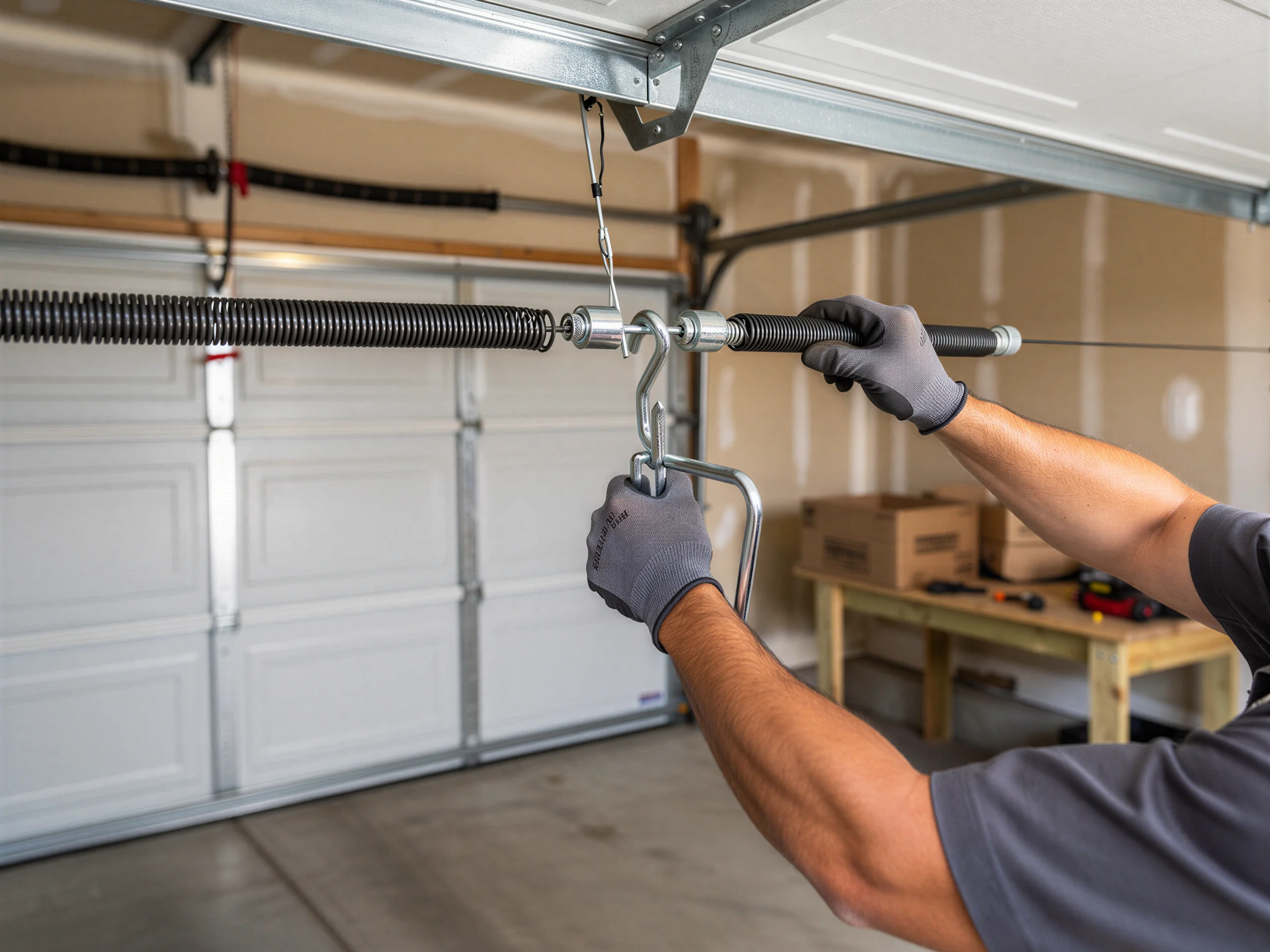
That spread matters for the kind of call we get. A house from the late 70s or early 80s is more likely to still have its original torsion spring setup or a first-generation chain-drive opener that's past due for replacement. A house from the late 90s or early 2000s is more likely to have a belt-drive opener with failing logic boards or worn nylon rollers rather than a spring problem. Homes toward the 2010s end of that range tend to have insulated steel panels and heavier-duty springs, so the common failure shifts again - usually a worn cable or a misaligned track rather than a snapped spring.
We don't know the exact build year of your specific house without seeing it, so we're not going to tell you what's wrong before we're there. What we can say is that knowing the era narrows down the likely cause fast, and it's usually one of the three patterns above rather than something exotic.