The Problem
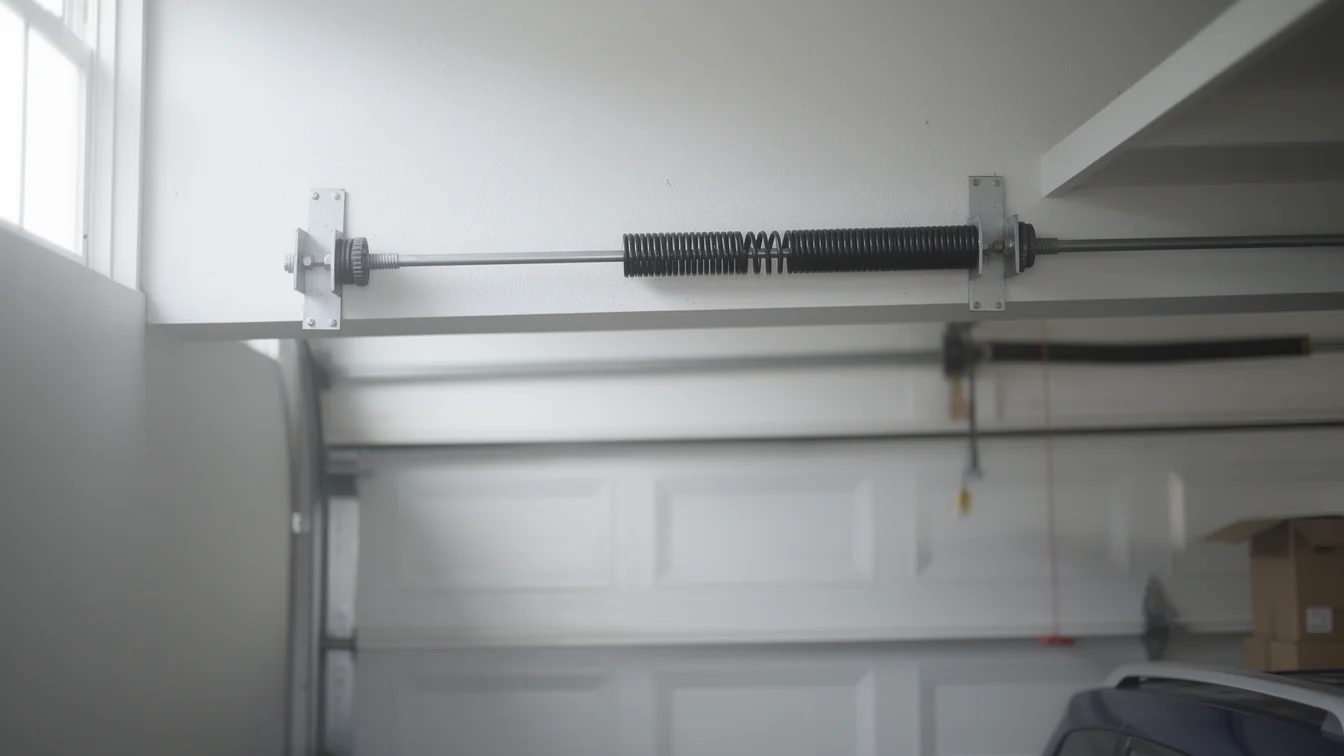
A torsion spring doesn't care that it's Texas. Steel contracts in the cold, and a spring that's already fatigued from fifteen or twenty years of daily cycles loses just enough flex on a cold morning to finish the job it was already halfway through. You hear it as a bang from the garage, or the door just stops moving and sits there heavy.
In Leander this shows up most on houses from the 1980s and 90s stock - the bulk of what's out there across the fourteen named subdivisions we cover, from in-town streets out toward Liberty Hill and Jonestown. A lot of that housing still runs the spring and hardware it was built with, or a replacement from a decade ago that's now due. The spring doesn't know the calendar, but it knows how many times it's been wound and unwound, and a cold snap is just the moment it finally gives out.
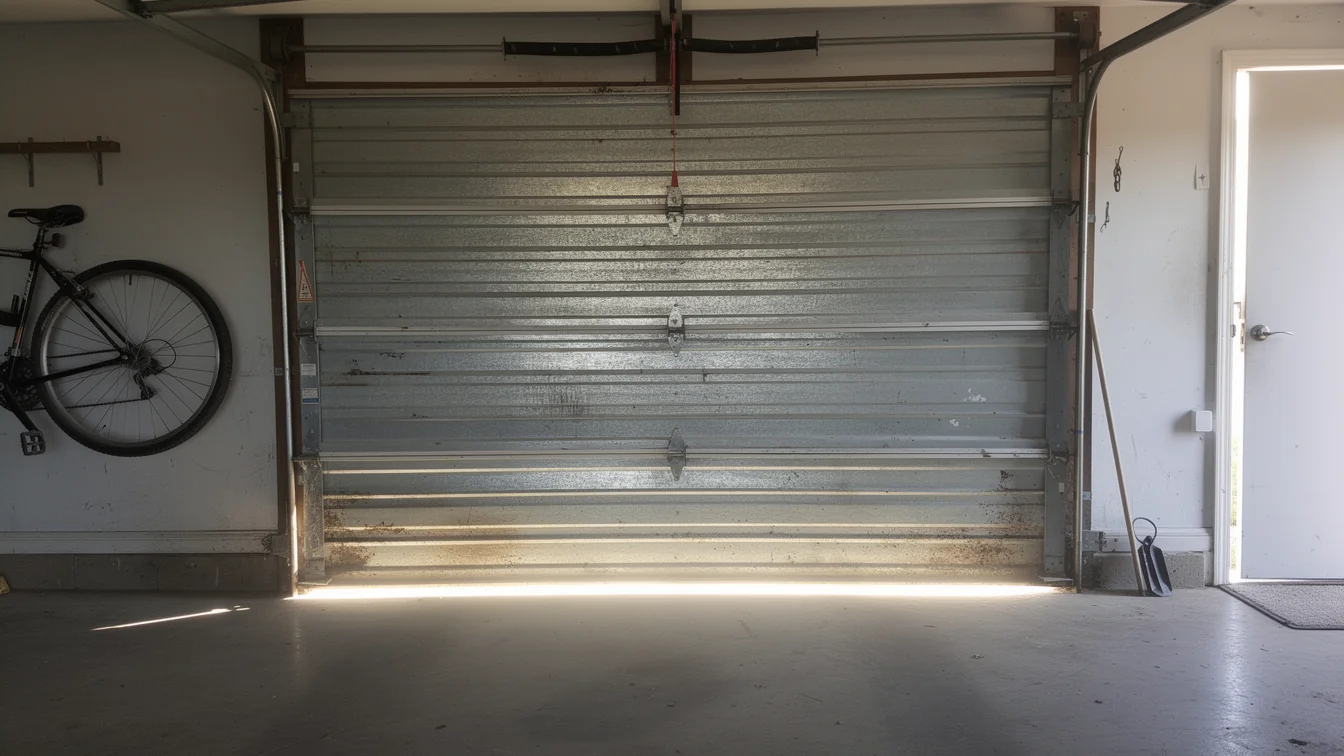
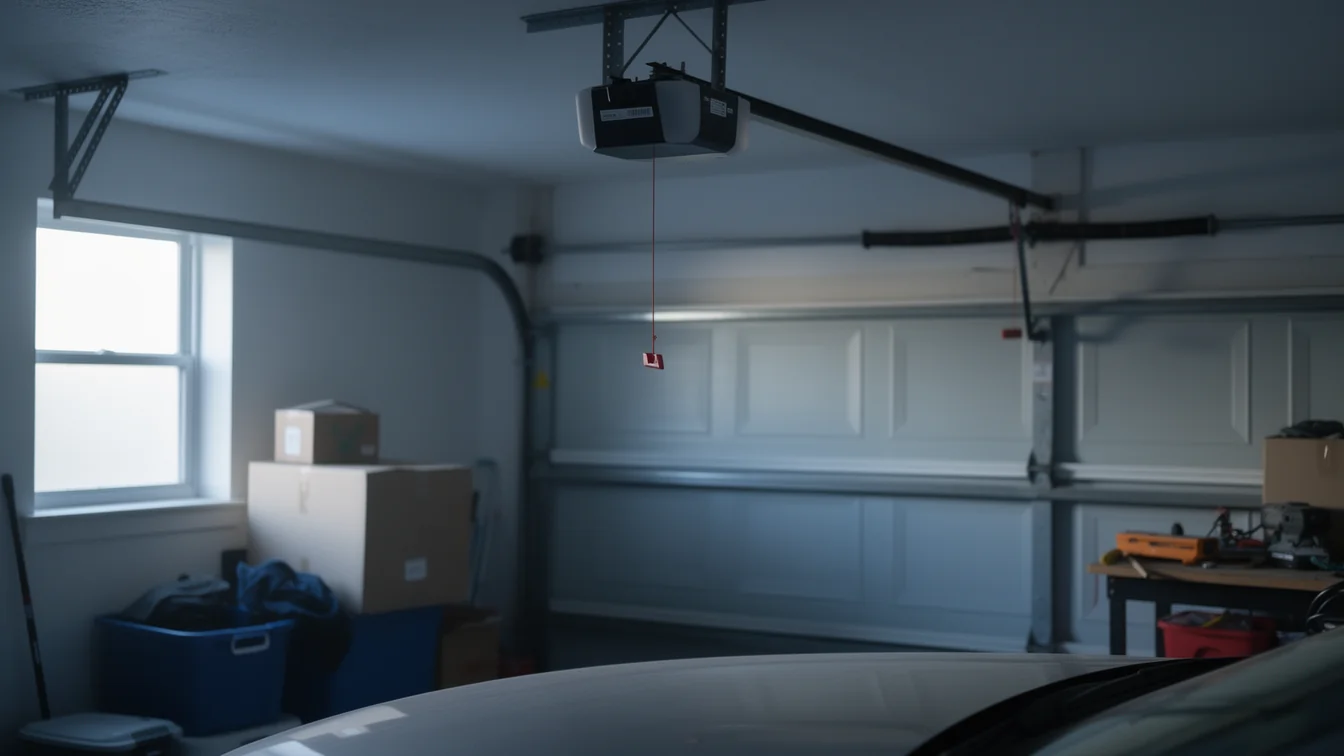
If your door feels heavier than usual when you lift it by hand, or the opener strains and stalls partway up, that's the spring telling you before it tells you the hard way.
Doing Nothing For Now
You can live with a sagging door for a while. People do. But a spring under partial failure puts more load on the opener, the cables, and the other spring if it's a two-spring setup - and when the second one goes, it usually goes while the door is open, which is a different kind of problem than a door that won't lift.
Here's the honest part: if your spring is original to a house built in the 1980s or 90s, replacing just the one spring without checking the cables, rollers, and drums is false economy. Those parts age together. We won't talk you into replacing everything that's still fine, but we also won't sell you a single spring and send you home if the hardware around it is shot.
Waiting a season isn't catastrophic. Waiting past the point where the door is binding or dropping unevenly on one side is how people end up with a bent track on top of a broken spring, which is a bigger job than the one they started with.
What Local Conditions Do
Leander sits in a climate band that's mild with occasional freeze - not the sustained hard winters that crack metal outright, but enough overnight dips to matter on a spring that's already worn thin. The failures we see aren't from extreme cold. They're from a spring near the end of its life getting pushed over the edge by a 20-degree morning after months of 90-degree afternoons. That swing is harder on steel than steady cold ever is.
Combine that with the housing itself: most of this area was built between 1975 and 2014, with the heaviest concentration in the 1980s and 90s. A spring rated for a 20-year service life installed in a house built in 1988 is well past due by now, cold mornings or not. The same pattern holds out toward Brushy Creek and Jonestown, where the housing wave lines up close to the same years.
So it's not that Leander has brutal winters. It's that a lot of springs here are the same age, and cold is just the trigger that happens to land on a Tuesday in January instead of a Tuesday in July.
What It Costs
We don't have a flat number to hand you here, because it depends on whether you're replacing one spring or two, whether the drums and cables need to come with it, and whether the opener is old enough that it's straining against a spring that's no longer doing its share of the lift. A 1990s house with original hardware is a different job than a house with a spring replaced five years ago.
What we can tell you is what drives the number up: a second spring that's also near failure, cables that are fraying from the extra load, and an opener motor that's been compensating for months. None of that is unusual on houses from the main build era around here, and it's worth having it looked at as one job instead of three separate calls.
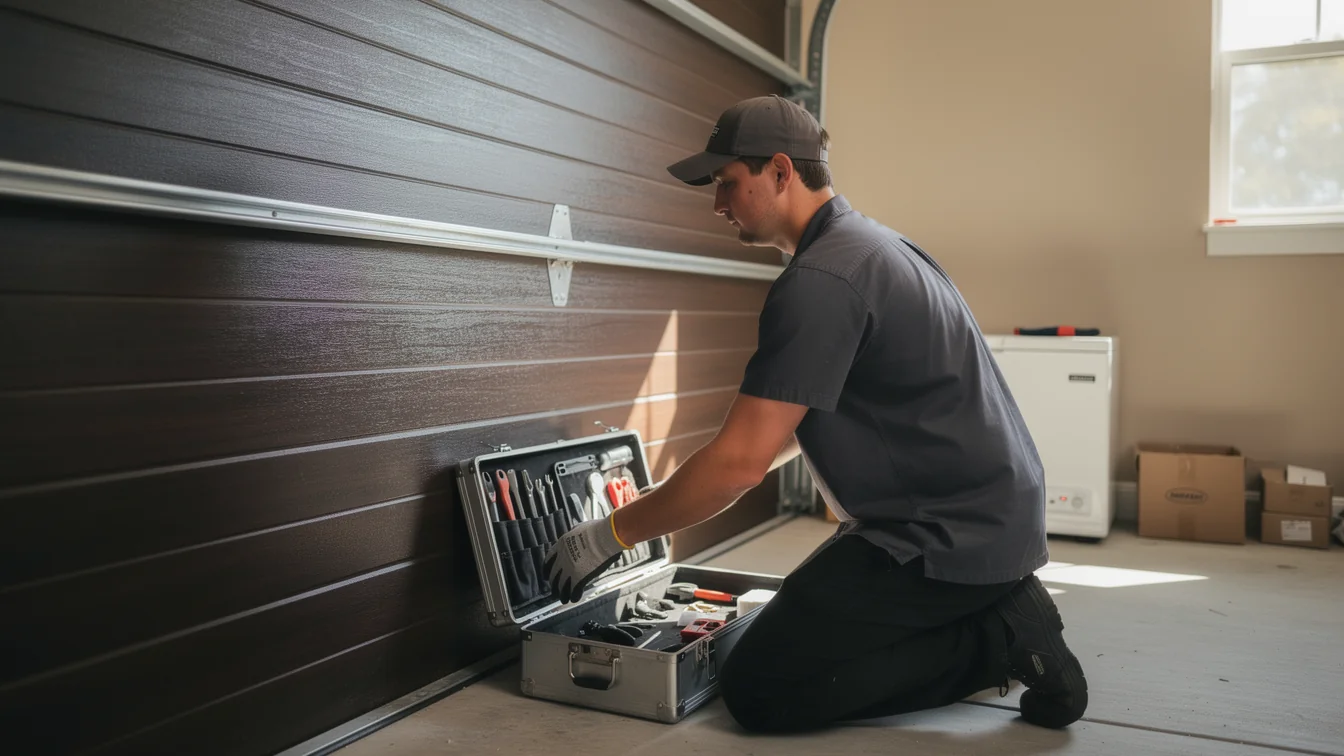
If you want a real number, that takes a look at the actual door, not a guess over the phone.
Talk to a local pro
Garage door trouble in Leander?
Same-day service with honest, upfront quotes.