
Bee Cave, Leander
Garage Door Installation for Bee Cave's 2012-Era Homes
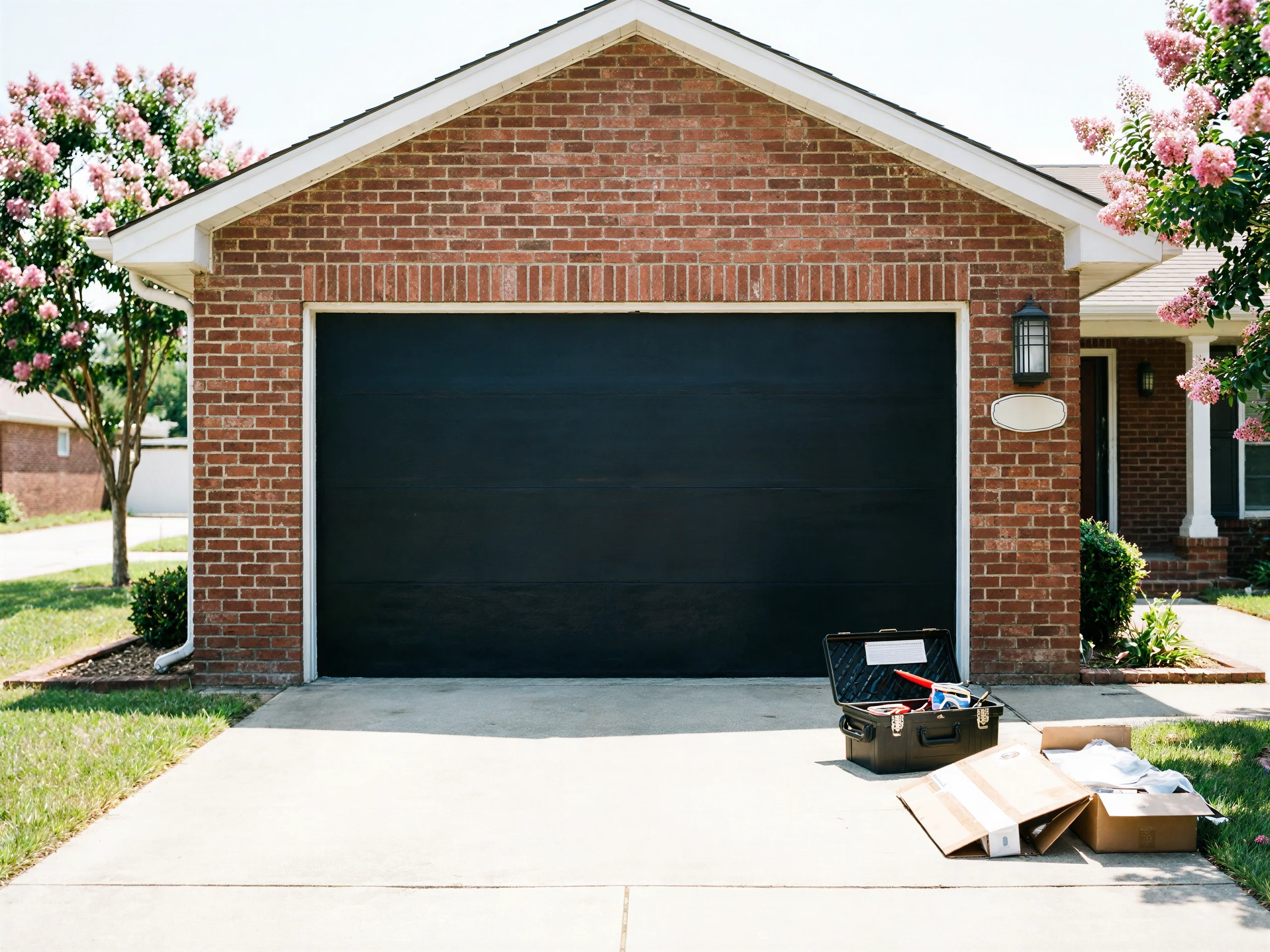
New garage door installation in Bee Cave, TX, where most homes date to 2012 with double-bay openings, handled by the Leander-based crew covering this suburb.
Doing It Yourself
Most garage doors in Bee Cave went up around 2012, a decade or so after the builder wave that put up the rest of the service area's housing stock, which median-dated to 1999.
Insulated steel sectional doors
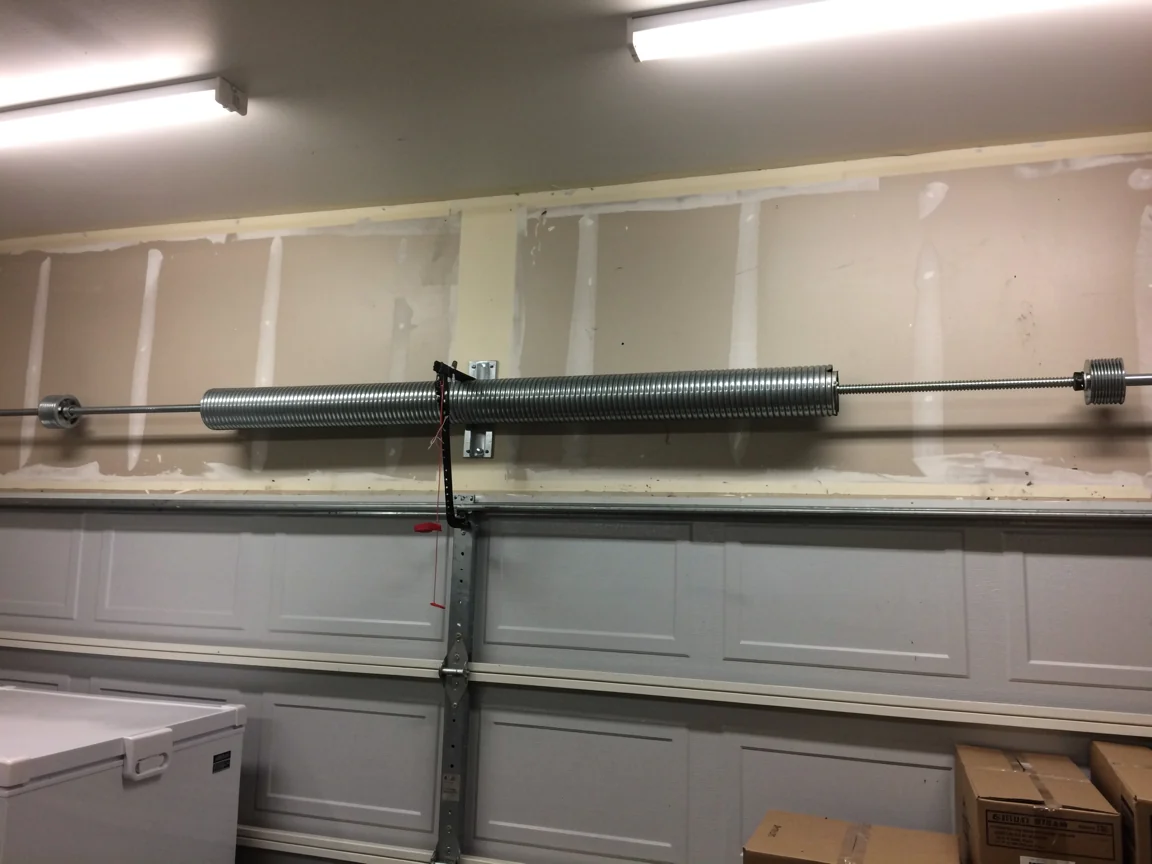
That means you're mostly looking at factory-insulated steel sectional doors, hung in standard builder openings - a 16-foot double or an 8-foot single, usually 7 feet tall, with a polyurethane core between two steel skins instead of the hollow panel doors from older stretches of the territory. The torsion springs on these doors are wound to a specific cycle count and a specific door weight; get that wrong and the door either won't lift evenly or will slam down with enough force to bend a track.
Tempting DIY tutorials
You can watch a video and talk yourself into pulling the winding bars, but a torsion spring under full tension is storing enough energy to break a wrist, and the cones, cable drums, and shaft all have to come apart and go back together in the right order.
Spring and cable work
We'll say plainly: spring work and cable work on these doors is not a do-it-yourself afternoon. Swapping a remote battery or tightening a loose hinge screw, fine. Anything that touches the spring, the cable, or the torsion shaft is a call, not a project.
What Is on the Truck
For a 2012-built door, the truck carries factory-insulated steel sections sized to match those standard openings - 16x7 and 9x7 doubles, 8x7 and 9x7 singles - plus torsion springs wound for that door weight and the matching cable drums.
Weatherstripping and bottom seals
We also carry weatherstripping and bottom seals rated for the climate band this territory sits in: mild most of the year with the occasional freeze, so the seal has to handle temperature swings without cracking, not hold up against a hard freeze for weeks at a time.
Quiet belt-drive openers
Openers on the truck run from basic chain-drive units up through quieter belt-drive models that fit the insulated doors without the chain noise bouncing off a finished garage ceiling, which matters more in newer construction where the garage often sits closer to a bedroom wall.
Galvanized track and hinges
We stock standard galvanized track and rollers sized for these door weights, along with the hardware kits - hinges, end bearing plates, strut reinforcement - that a steel sectional door needs. What we don't carry on every run is a custom width door; if the opening is anything other than the standard sizes this era's builders used, that's a special order and it adds lead time.
What It Costs
We don't quote a number here without seeing the door and the opening, because the cost swings on a few things: whether you're replacing a single or a double, whether you want the insulated core or the uninsulated option, and whether the opener comes with it or gets reused.
Wood look overlay option
With a median household income of $113,157, more Bee Cave owners spec the insulated steel door with a wood-look overlay than the bare 24-gauge panel standard builders used in the 1990s stretches of the territory - that overlay and the thicker core both add to the number on the invoice.
Reusing an existing opener
Reusing an existing opener saves money if it's still within its service life and rated for the new door's weight; pairing an old chain-drive unit with a heavier insulated door usually isn't worth it, since the motor will strain and wear out early. We'll walk the actual door and give a written number before anything gets ordered.
Phone-only quote limits
What we won't do is quote a price over the phone off a description alone - too many of these builder-era doors look the same from the street but differ in track depth, header clearance, or spring type once you're standing in the garage.
The Complications
At 19 miles from our shop in Leander, Bee Cave is the farthest stop on a install day that starts closer to home, which is less about the drive itself and more about why we ask for a heads-up before booking rather than taking same-day calls on short notice. Across Bee Cave's roughly 3,986 households, most driveways still have the original builder door, not yet swapped for anything newfangled, which means a lot of the service calls here are the first replacement that door has ever had - no history of prior repairs to go on, no record of what spring size or track depth a previous installer used. That's a different job than replacing a door that's been patched twice already. The other wrinkle is lead time on anything outside standard sizing: a custom width or height, a specialty overlay, or a non-stock opener all have to be ordered in, and that's a wait measured in days, not hours. We'd rather tell you that up front than promise a same-week install and miss it.
Booking a Visit
We cover Bee Cave from our base in Leander - see the coverage area for what that means for scheduling.
Scheduled appointments only
Because we're driving in rather than working out of a local yard, we ask for a scheduled appointment rather than a walk-up or a same-hour call; that lets us load the right door size, spring weight, and opener onto the truck before we leave rather than guessing and having to make a second trip.
Bent track versus patching
If you're not sure whether what you need is a repair or a full replacement - a bent track versus a door past the point of patching - tell us the age and what it's doing (won't open, opens crooked, makes noise) and we can usually sort that out before a truck ever gets loaded.
Call and date booking
For the broader list of what we install and repair, that's covered on our main installation page, but booking for Bee Cave specifically starts with a call and a date.
What the Fix Involves
A full replacement on one of these 2012-era openings starts with pulling the old door off the track, torsion spring unwound and removed, and the opening checked for square - builder-grade framing is usually close, but not always exact. From there it's new track set to the header clearance the new door needs, new sections hung and pinned section by section, hinges and rollers set, and a torsion spring wound to match the finished door's actual weight, not a guess based on the old one. Cable, drums, and the shaft go on last, balanced so the door holds position halfway up under hand lift - that balance test is the one most DIY jobs skip, and it's the reason a door that looks fine the first week starts sagging a track by month three. If the opener's being reused, we re-mount it to the new door's bracket and reset the travel limits and force settings, since a door with a different weight or spring tension needs both recalibrated. Last step is weatherstripping and a function test through a handful of open-close cycles before we call it done.
Questions
Common questions
Do you have a branch in Bee Cave?
No - we run out of Leander, about 19 miles away, and cover Bee Cave on a scheduled basis rather than with a local yard. That's why we ask for an appointment instead of same-day walk-ins.
Are Bee Cave garage doors different from older parts of the territory?
Most of them are, yes. The area's stock mostly dates to around 2012, which means factory-insulated steel sectional doors in standard builder sizes, not the older hollow-panel doors or narrower single-bay openings common in the 1980s sections of the territory.
Can I reuse my opener with a new door?
Sometimes. If it's within its service life and rated for the new door's weight, we can remount it. If you're going from an uninsulated door to an insulated one, the added weight sometimes means the old opener's motor isn't up to the job long-term.
How far out do I need to book?
We don't carry stock for every size and overlay on every truck, so anything outside standard builder dimensions needs to be special-ordered, which adds lead time. Call with your door's size and style and we'll tell you what to expect.
Explore more
More Services in Bee Cave
Emergency Garage Door
Bee Cave homes mostly went up around 2012, so the failures we see are newer openers and heavier insulated doors, not worn-out 1980s hardware. Learn more →
Garage Door Repair
Garage door repair for Bee Cave homes built mostly after 2012: opener boards, sensor faults, and torsion hardware on newer builder-grade doors. Learn more →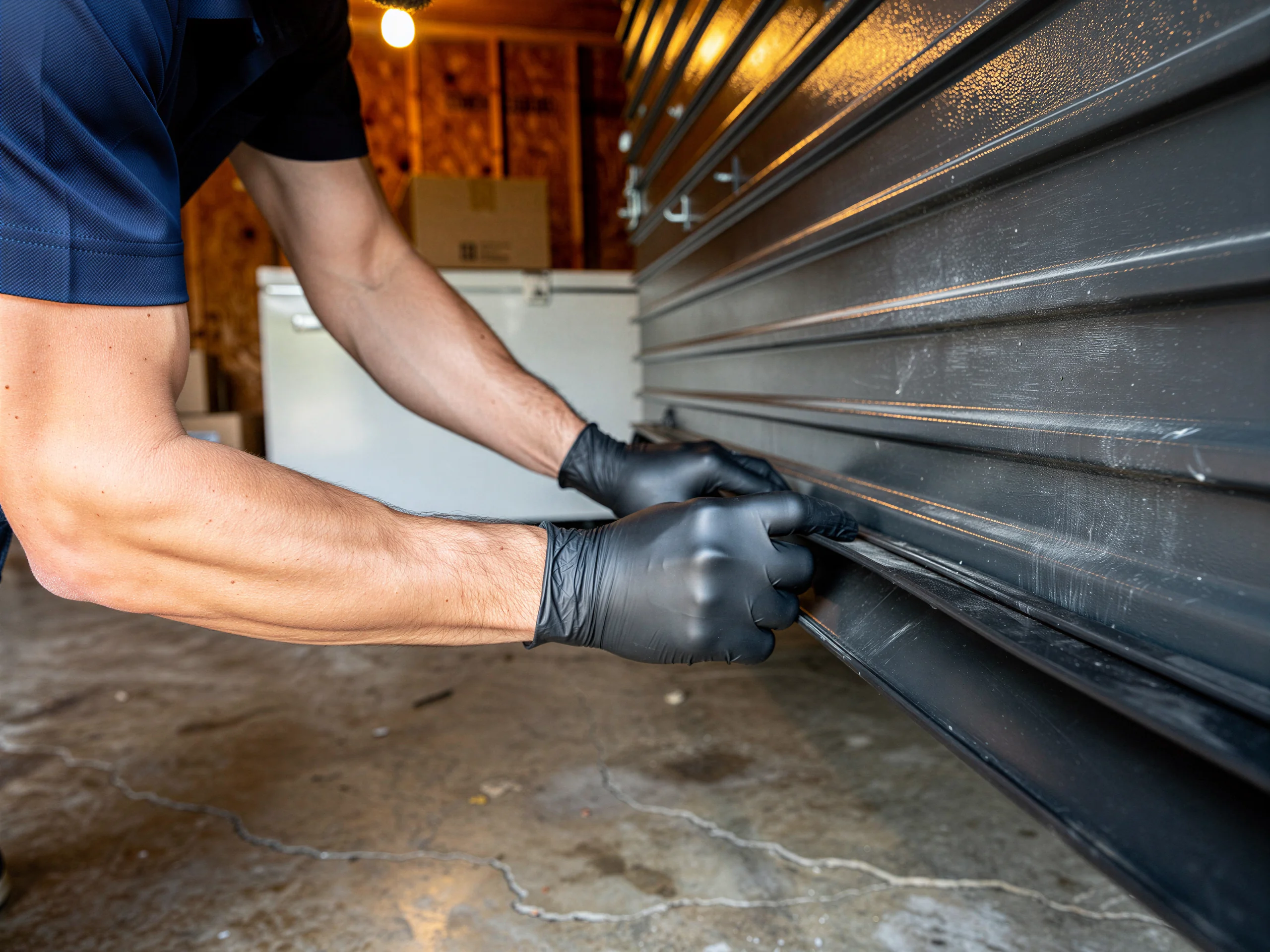
Garage Door Service
Bee Cave homes mostly date to 2012, so openers and springs here are often still factory-original. Learn more →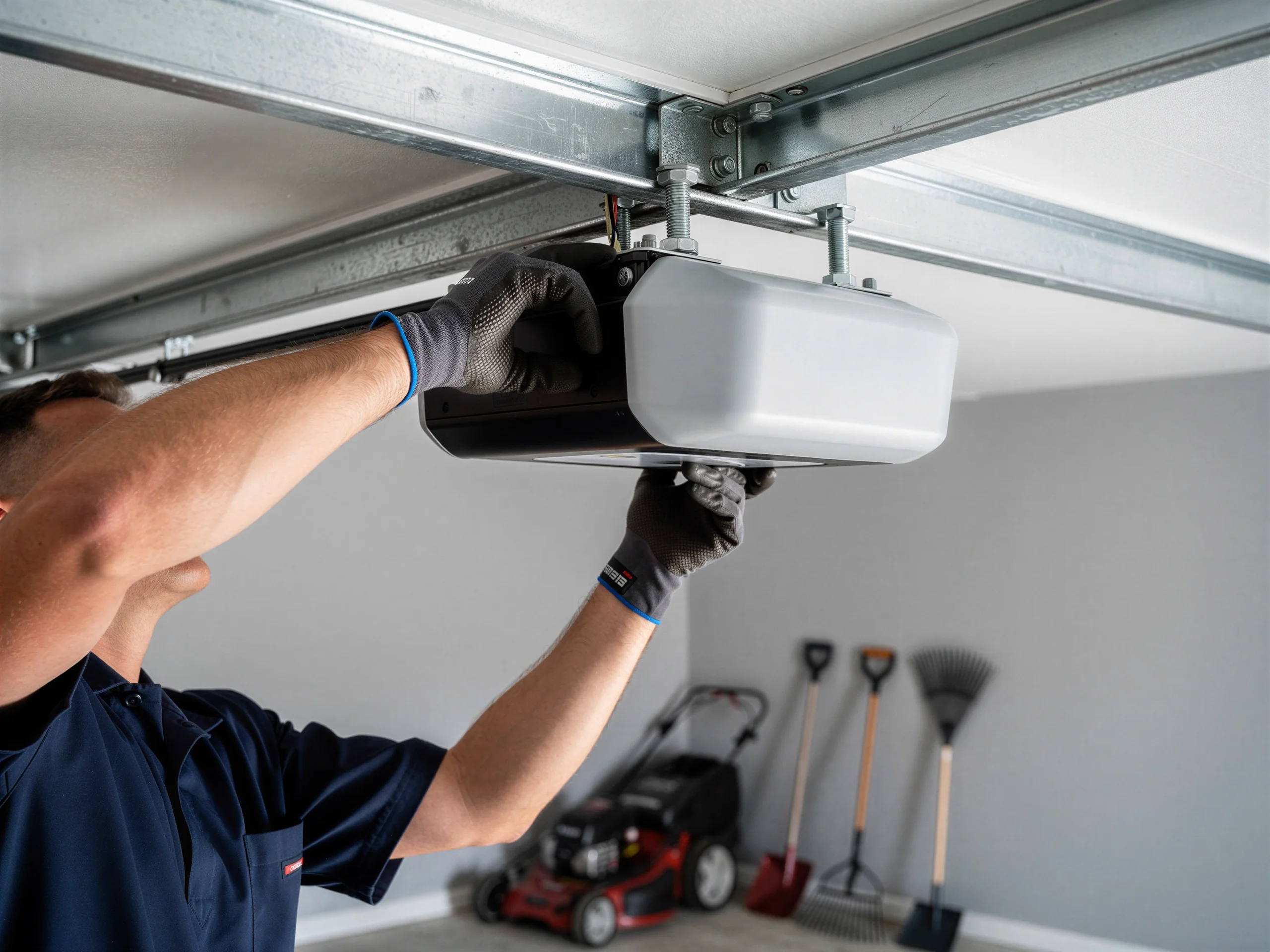
Opener Installation
Opener installs and swaps for Bee Cave homes built mostly after 2000. Learn more →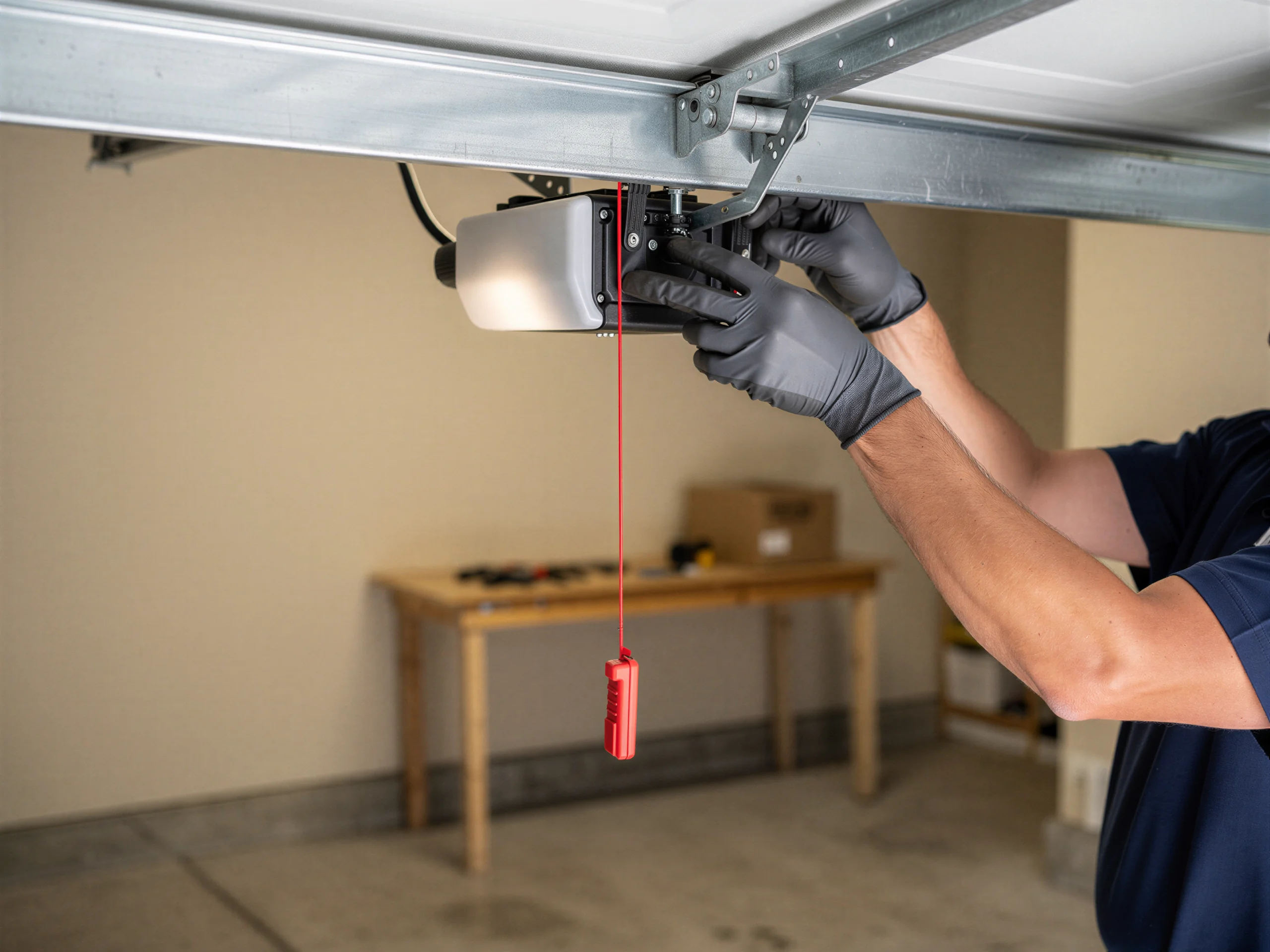
Opener Repair
Bee Cave's opener calls skew newer than most of our service area - circuit boards and sensors, not worn 80s chain drives. Learn more →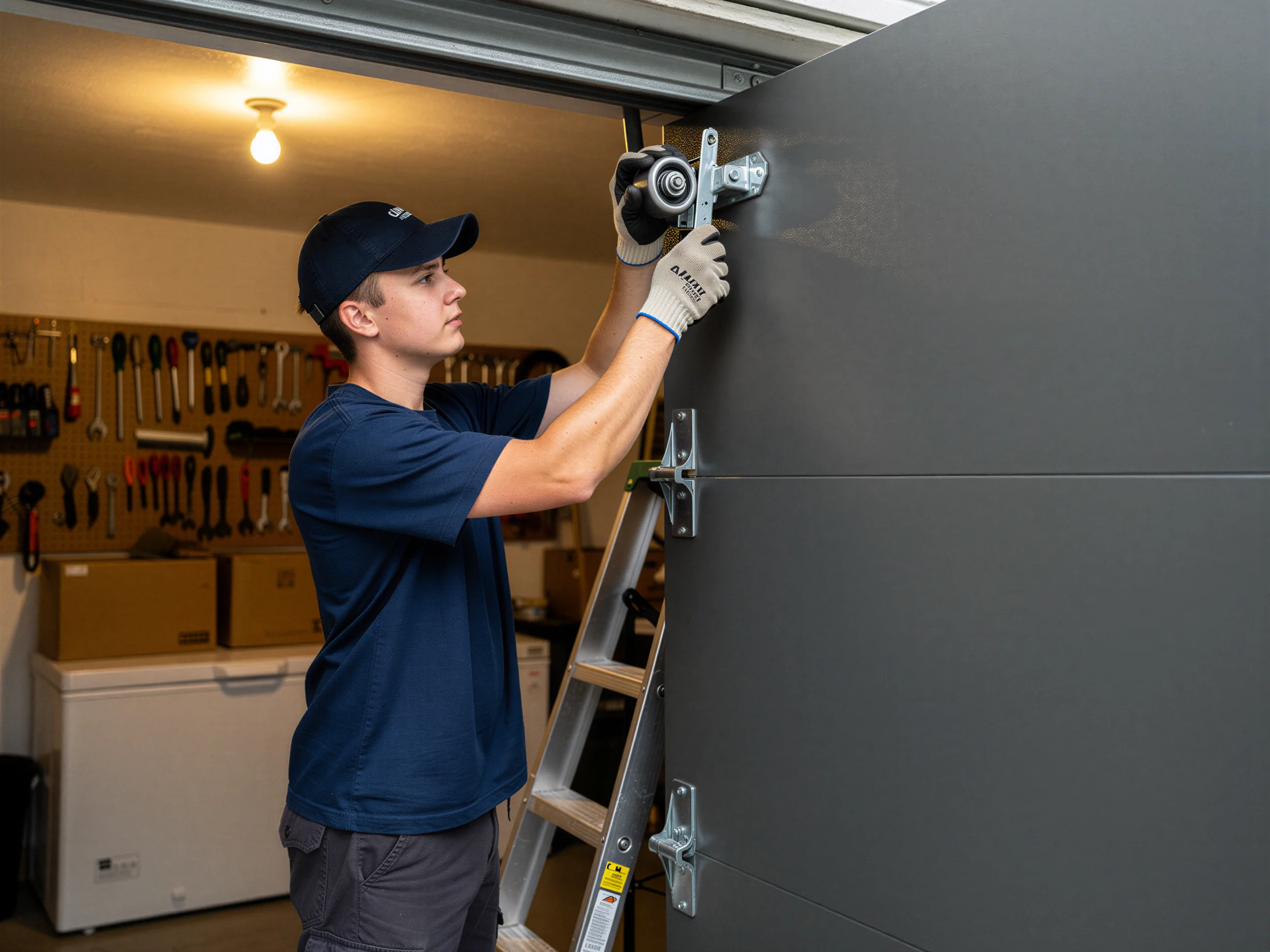
Roller Replacement
Bee Cave homes built mostly after 2012 still run OEM steel rollers. Learn more →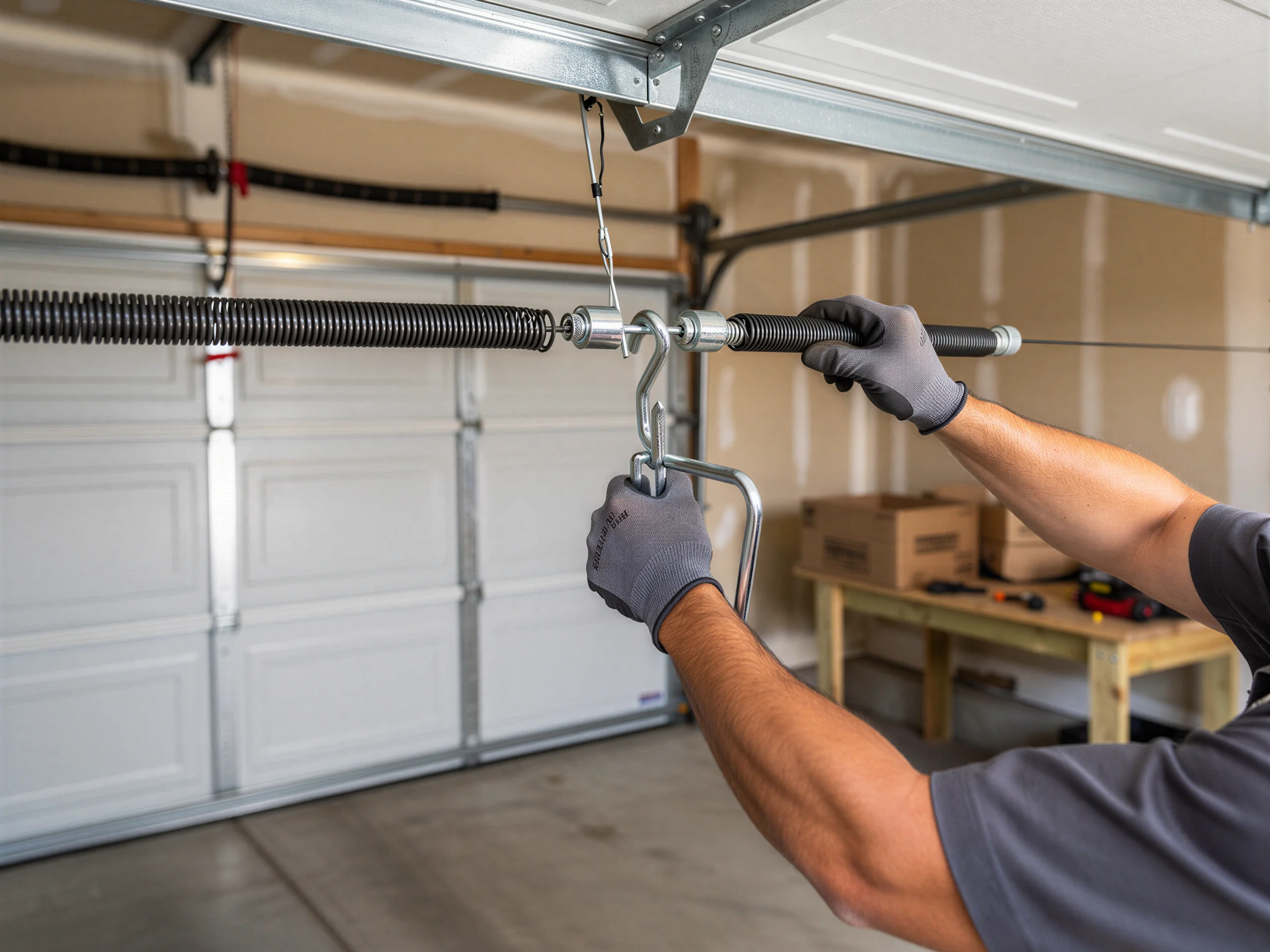
Spring Repair
Bee Cave homes mostly date to the 2000s, newer than the service area average. Learn more →Ready when you are
Need a garage door sorted in Leander?
Leander Garage Door Pros repairs and installs garage doors, springs and openers in Leander, TX and the surrounding area.