
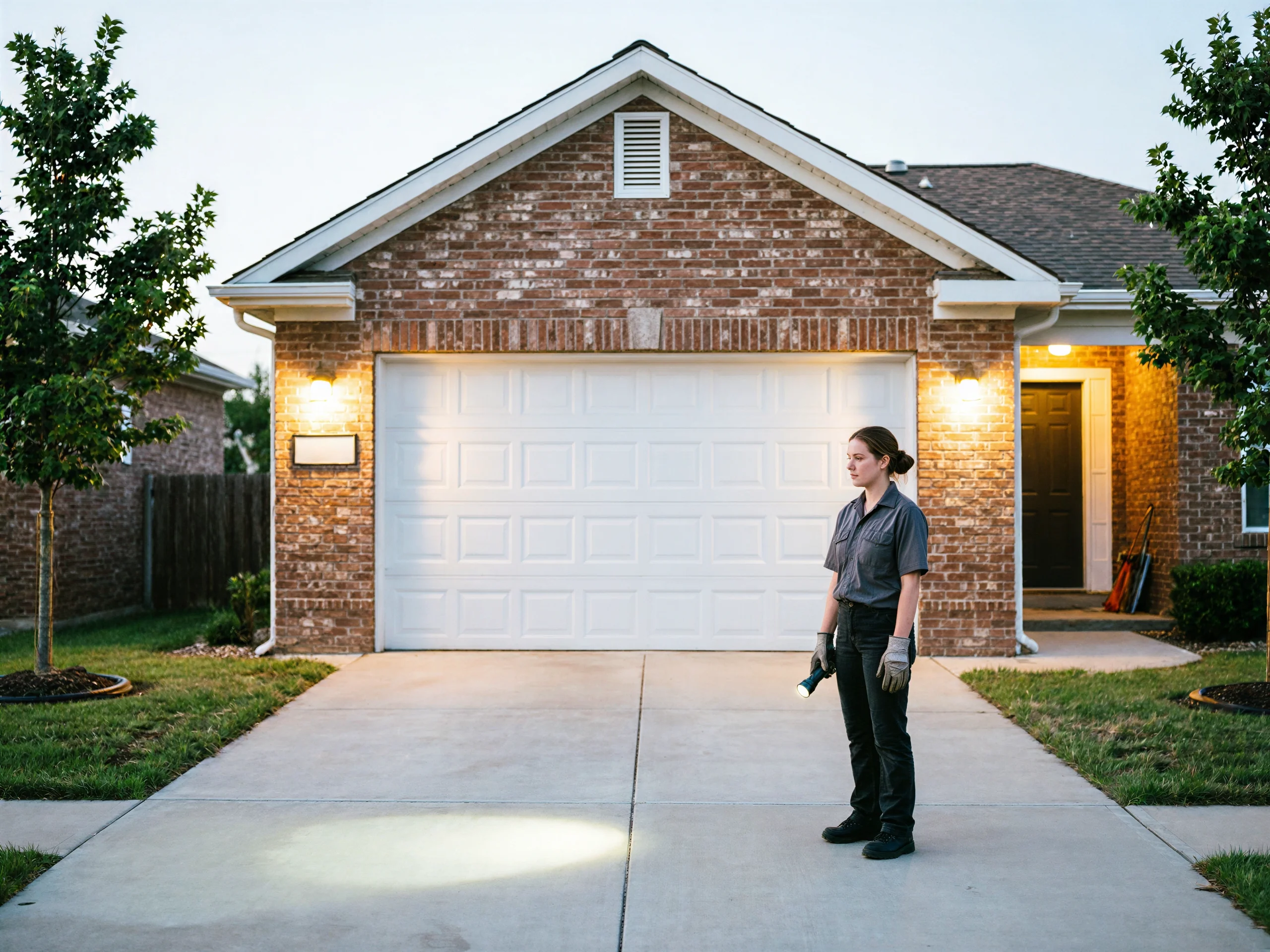
Bee Cave, Leander
Emergency Garage Door Repair for Bee Cave Homes
Bee Cave homes mostly went up around 2012, so the failures we see are newer openers and heavier insulated doors, not worn-out 1980s hardware. We drive out from Leander to fix it.
Doing It Yourself
Most houses in Bee Cave date to around 2012, which means you're not dealing with the old extension-spring setups common in older stock. You've got torsion springs rated for a heavier insulated door, and a opener with a circuit board, not a simple relay.
No manual lifting
If the door won't open and you hear a bang beforehand, that's a broken spring - do not try to lift the door by hand or pull the cable off the drum.
Manual release cord check
If the opener runs but the door doesn't move, check the manual release cord first; a lot of 'broken door' calls turn out to be a disconnected trolley. Past that, a door that's off its tracks or a spring that's let go needs a second set of hands and the right bar, not a homeowner with a ladder.
Insulated panel weight hazard
With newer insulated doors, the panels are heavier than they look, and a slipped cable under tension can take a finger. We'd rather talk you through the safe stop-gap on the phone than have you find out the hard way what 180 pounds of door does when it's not balanced.
What Is on the Truck
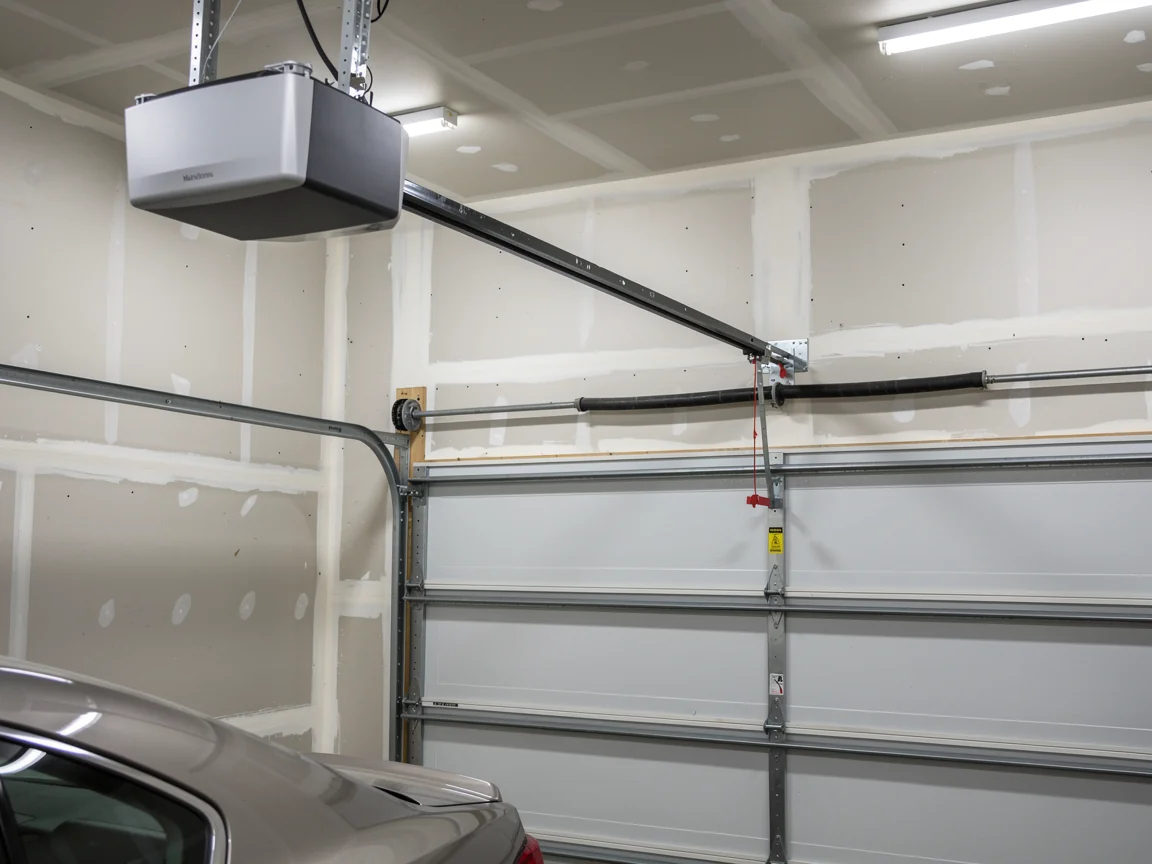
For a 2012-era build we're carrying torsion springs sized for insulated steel doors, not the lighter springs that work on an older single-layer panel. That means stocking a wider range of wire sizes since newer doors vary more in weight.
Opener circuit boards stocked
We also carry circuit boards and logic boards for the opener models that became standard once homes in this part of the area were going up, along with the sensors and wiring harnesses that go with them.
Brackets matched on truck
Cables, rollers, and hinges are standard stock regardless of house age, but on newer insulated doors the end panels sometimes need brackets specific to that door line, which we try to match on the truck rather than special-order.
Factory panel lead times
The one thing we can't always carry is a factory-matched panel for every build - if a specific insulated panel got dented, that part may need to come from the manufacturer, which is a lead-time issue, not a same-visit fix.
What It Costs
We don't have a posted price list for Bee Cave calls specifically, and we're not going to make one up. What drives the number is the same thing that drives the hardware: a torsion spring rated for a heavier insulated door costs more than the lighter spring used on an older, single-layer panel, and a circuit board replacement on a newer opener costs more than swapping a simple relay. Travel is a factor too - this call comes from Leander, about 19 miles out, so it's built into the estimate rather than a flat in-town rate. We'll always quote the job before we start, not after.
The Complications
Newer builds hide their own problems. A 2012-era opener is more likely to have a circuit board that's simply failed than a motor that's worn out, and boards aren't always stocked for every model - sometimes we're waiting on a part rather than fixing it on the spot.
Heavy insulated panels
Insulated doors also mean more weight on the springs, so if a spring lets go, the door drops harder and faster than an older lightweight panel would, which is why we won't let a homeowner try to muscle it back into the track.
Mechanical and electronic failures
Climate here is mild with occasional freeze risk, which isn't the driver of most calls in this area the way it might be somewhere colder - the failures we see are mechanical and electronic, tied to how recently the hardware went in, not weather damage.
Booking a Visit
Tell us what the door is doing - won't move, moves partway and stops, comes off track, opener runs but nothing happens - and whether you heard a loud bang before it quit. That tells us whether we're bringing spring stock or opener boards. Since this call comes out of Leander, about 19 miles from Bee Cave, having clear answers up front helps us load the right parts before we leave, instead of making a second trip. You can see the areas we cover at our coverage page, and if you're closer to Leander itself, that page has its own repair line.
What the Fix Involves
On a torsion spring job for a door this age, we unload the spring, pull the old one off the shaft, and set a replacement matched to the door's actual weight - important on insulated panels, which run heavier than the uninsulated doors common in older housing stock.
Testing before replacing parts
If it's an opener issue, we test the board, the sensors, and the wiring before replacing anything, since a bad sensor can look exactly like a dead board.
Inspecting aging cables
Cables and rollers get checked while we're in there, since on a 2012-built door they're original parts now over a decade old and due for wear even if they're not what called us out.
Balancing and full cycle test
We balance the door and run it through a full cycle before we leave, and if a part we need isn't on the truck - a specific panel bracket, say - we'll tell you that up front rather than leave the job half-finished.
Questions
Common questions
Why does a Bee Cave door repair cost more than I expected?
Homes here are mostly newer builds, around 2012, with insulated steel doors that need heavier-rated torsion springs than older single-layer doors. Opener boards on newer units also cost more than a simple relay swap. Add the drive out from Leander, about 19 miles, and the number is different from what you'd pay for an older, lighter door closer in.
Do you have a branch in Bee Cave?
No. We're based in Leander and drive out to Bee Cave, about 19 miles away, for calls. We carry parts sized for the newer insulated doors common in this area so we're not making a second trip for a part we could have brought the first time.
My opener just stopped working with no warning. What's likely?
On a house from around 2012, that's more often a failed circuit board or a bad sensor than a worn motor. We test the board and sensors before replacing either, since misdiagnosing one for the other is the most common way these repairs go wrong.
Is cold weather the usual cause of breakdowns here?
Not really. The climate here is mild with only occasional freeze risk, so weather isn't the main driver of calls in this area. Most of what we see is mechanical wear or electronic failure tied to how recently the hardware was installed, not storm or cold damage.
Explore more
More Services in Bee Cave
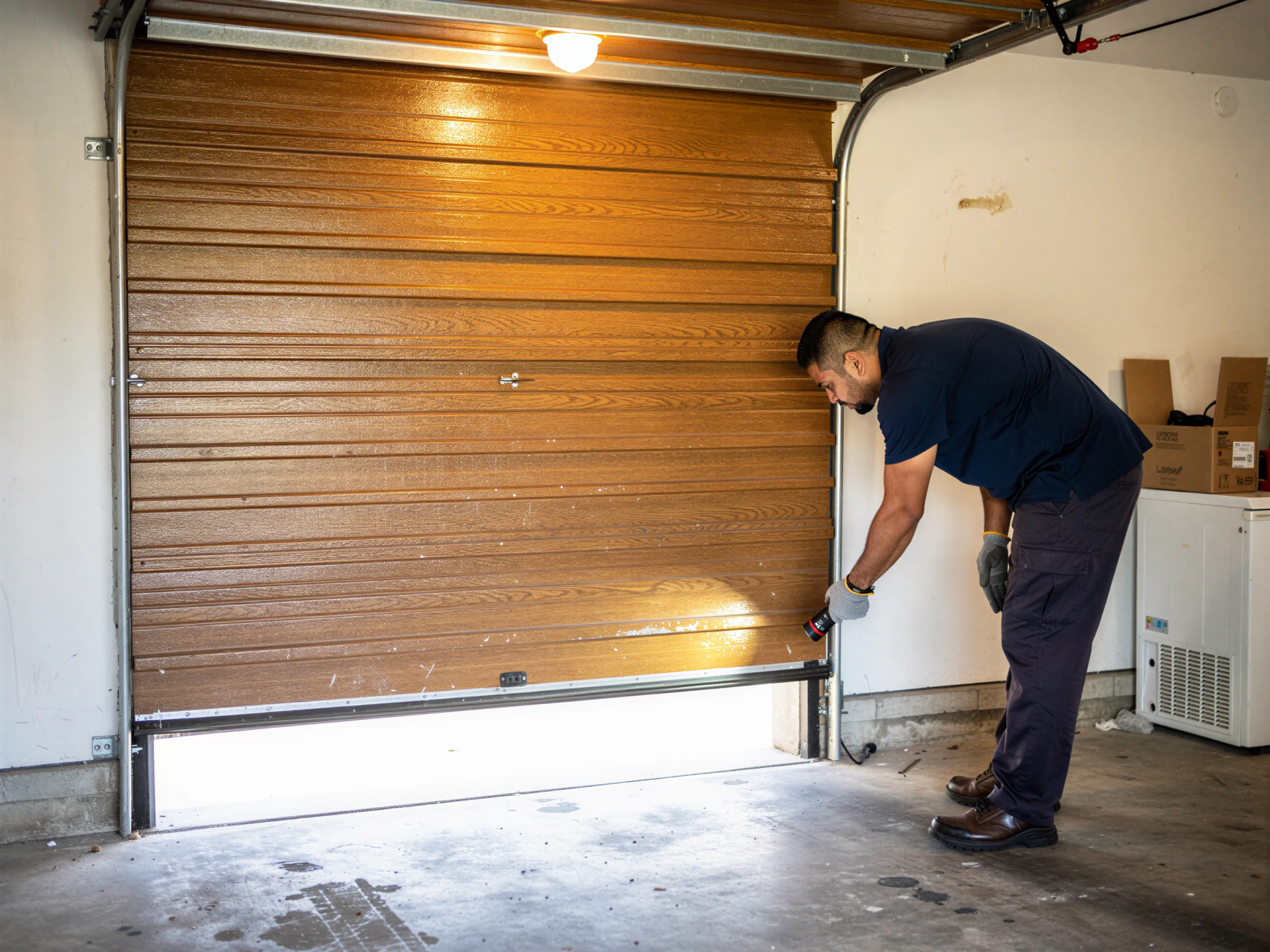
Garage Door Repair
Garage door repair for Bee Cave homes built mostly after 2012: opener boards, sensor faults, and torsion hardware on newer builder-grade doors. Learn more →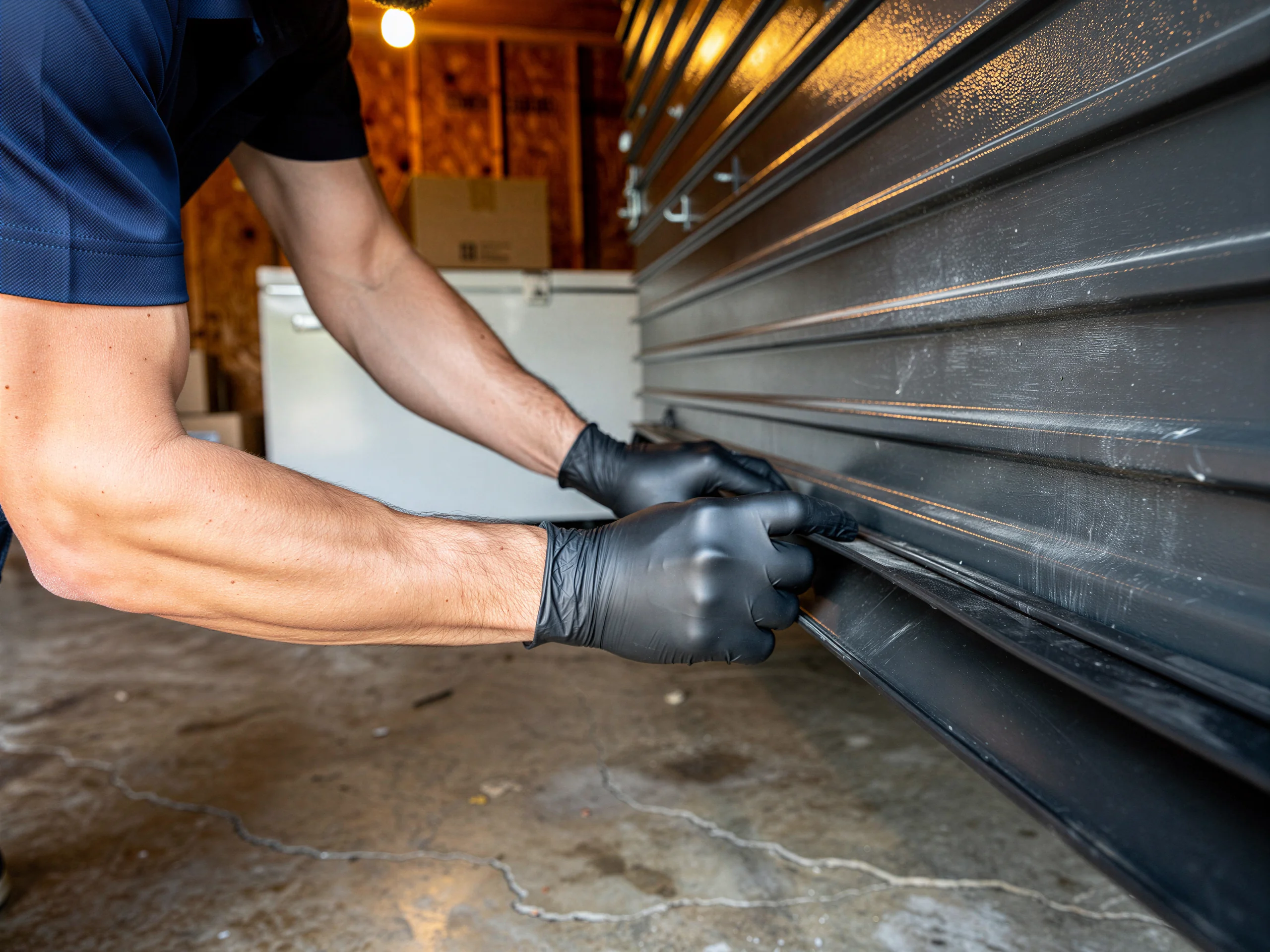
Garage Door Service
Bee Cave homes mostly date to 2012, so openers and springs here are often still factory-original. Learn more →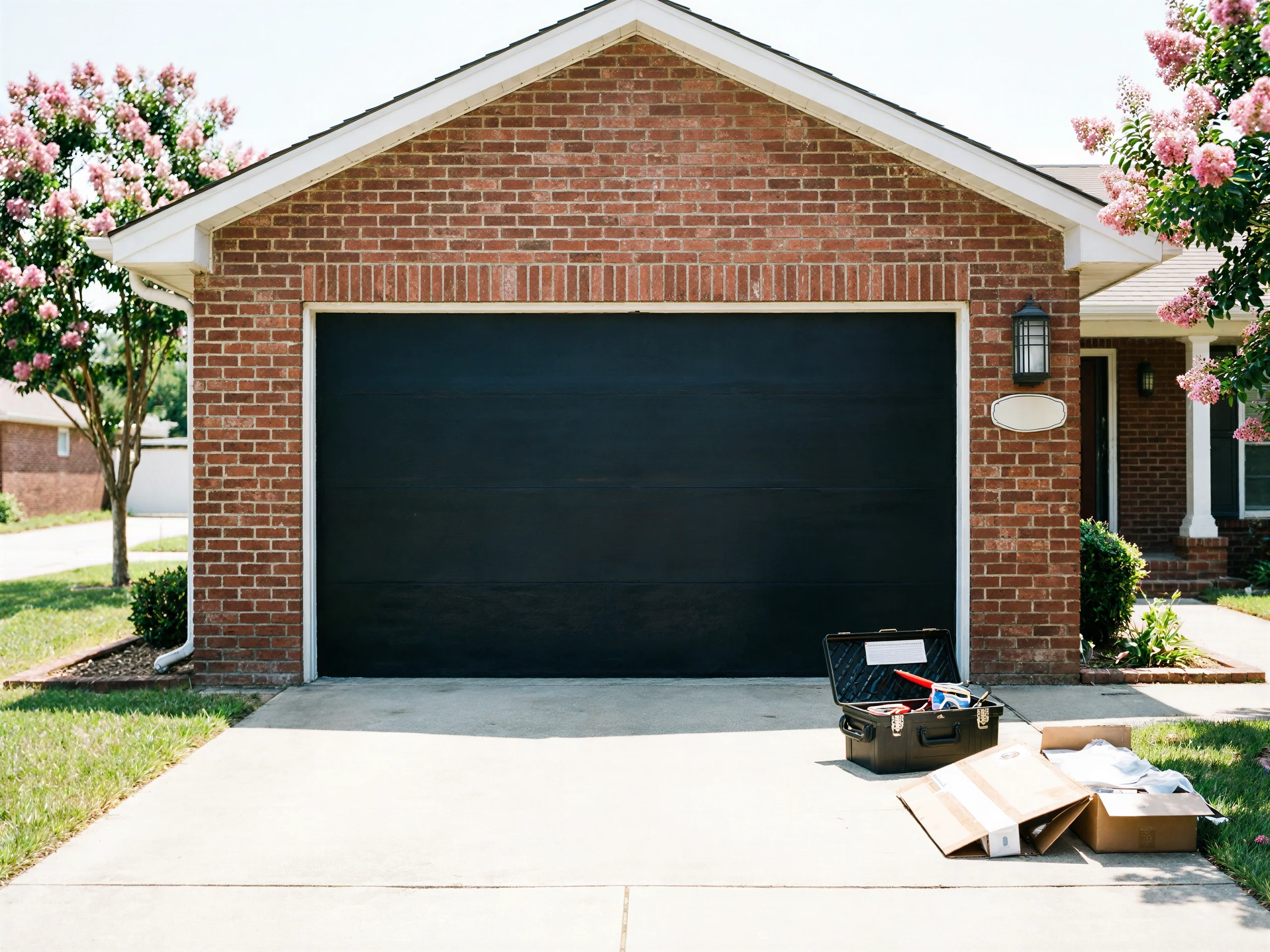
New Door Installation
New garage door installation in Bee Cave, TX, where most homes date to 2012 with double-bay openings, handled by the Leander-based crew covering this suburb. Learn more →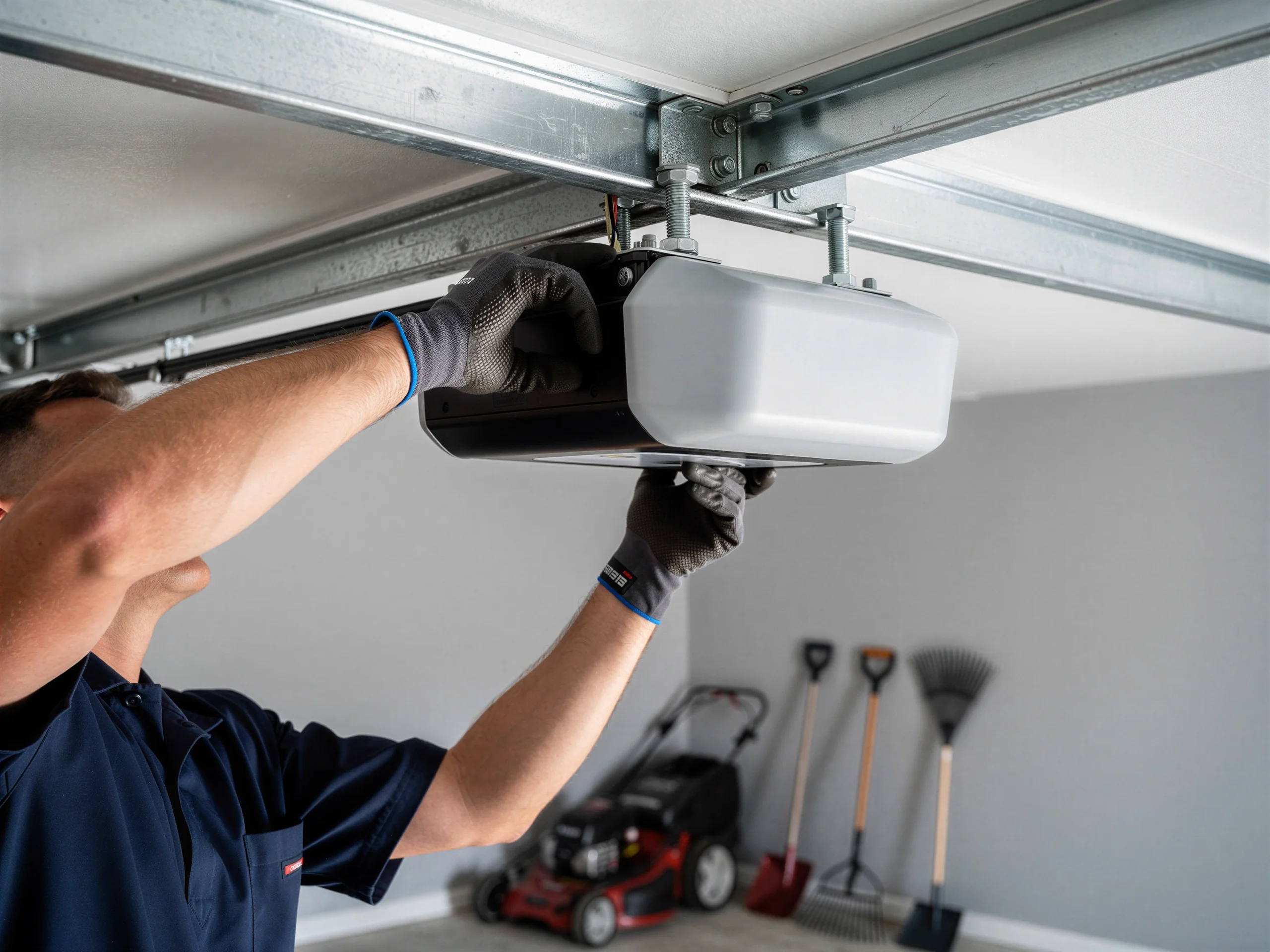
Opener Installation
Opener installs and swaps for Bee Cave homes built mostly after 2000. Learn more →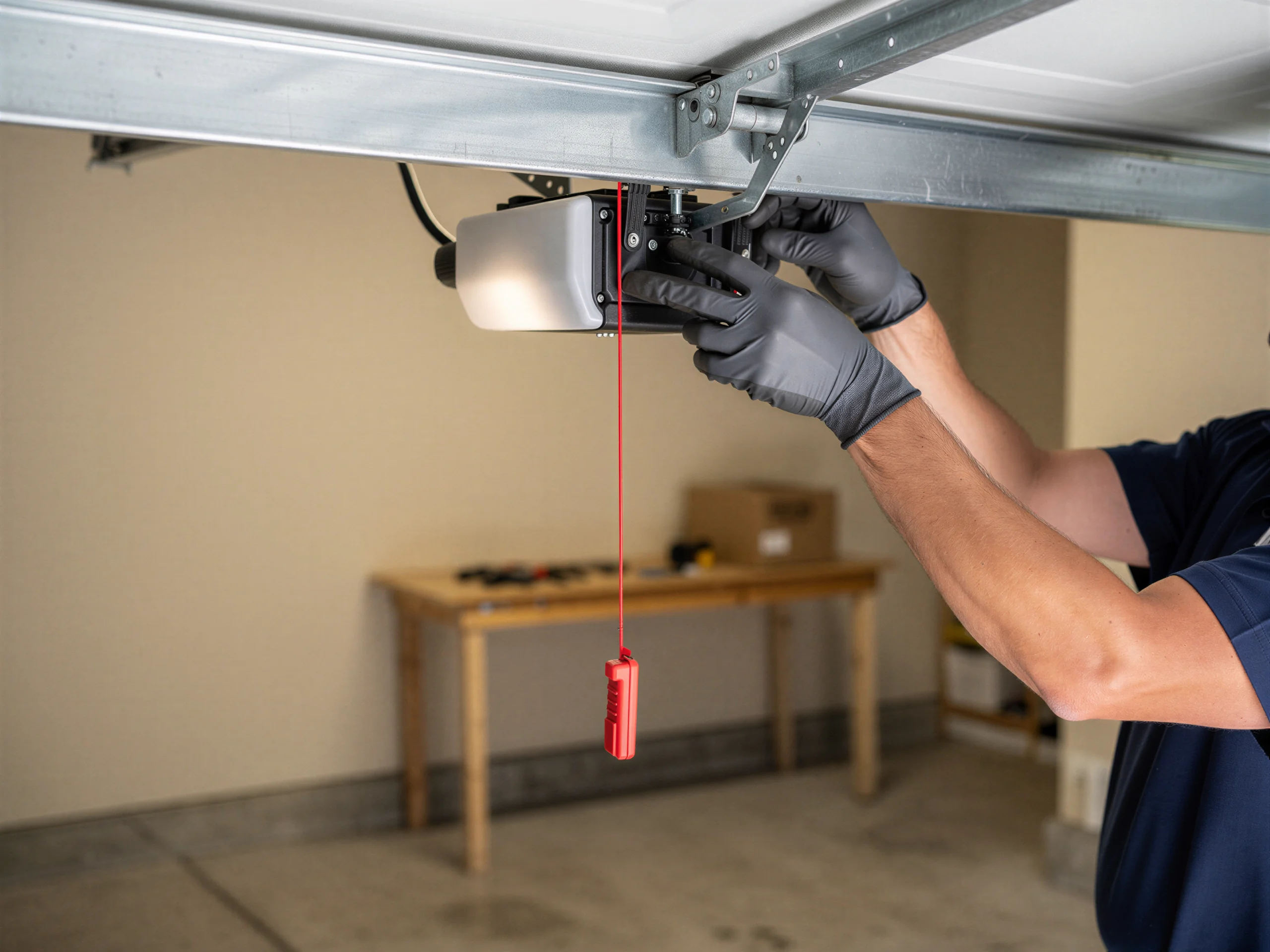
Opener Repair
Bee Cave's opener calls skew newer than most of our service area - circuit boards and sensors, not worn 80s chain drives. Learn more →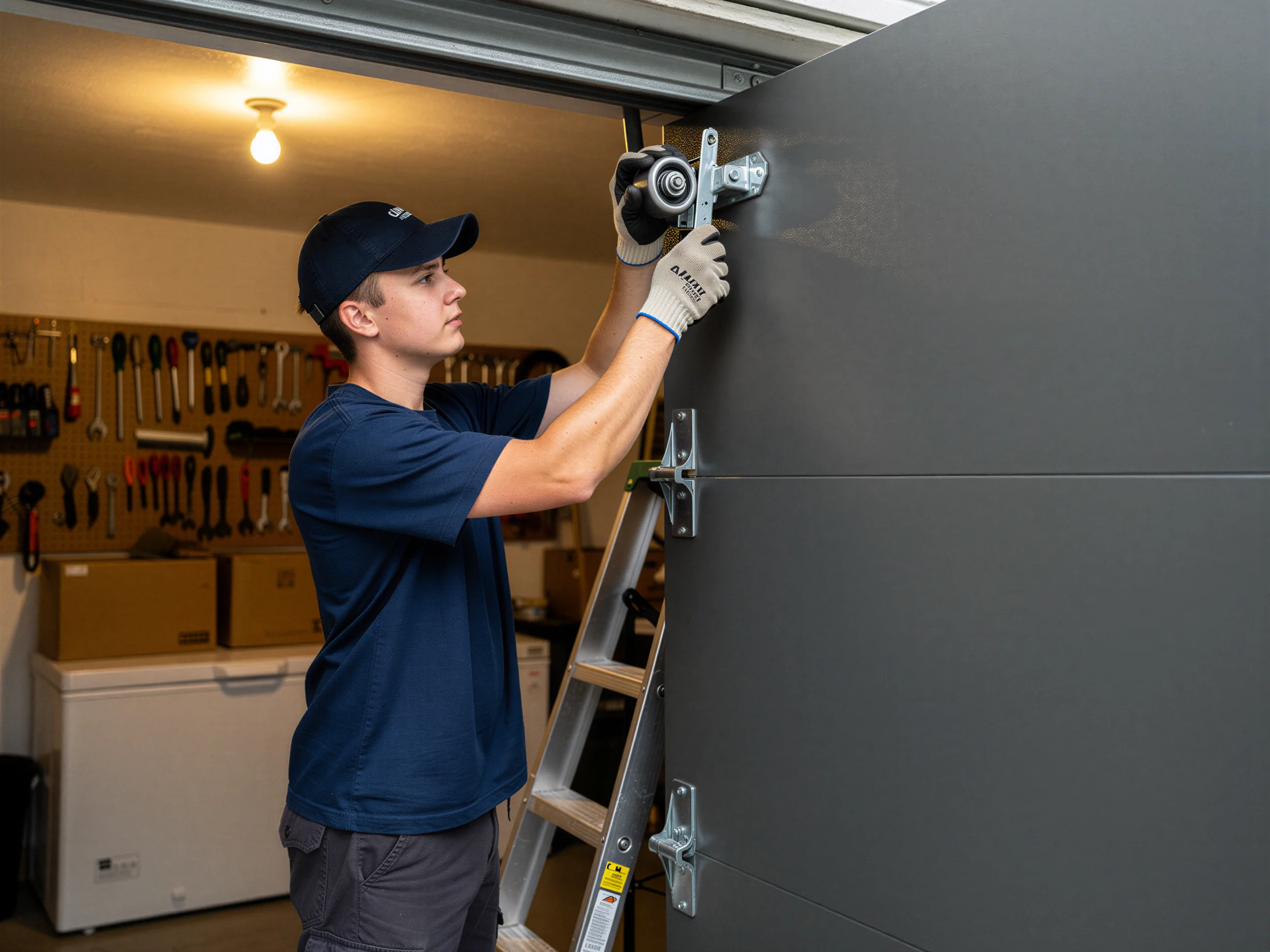
Roller Replacement
Bee Cave homes built mostly after 2012 still run OEM steel rollers. Learn more →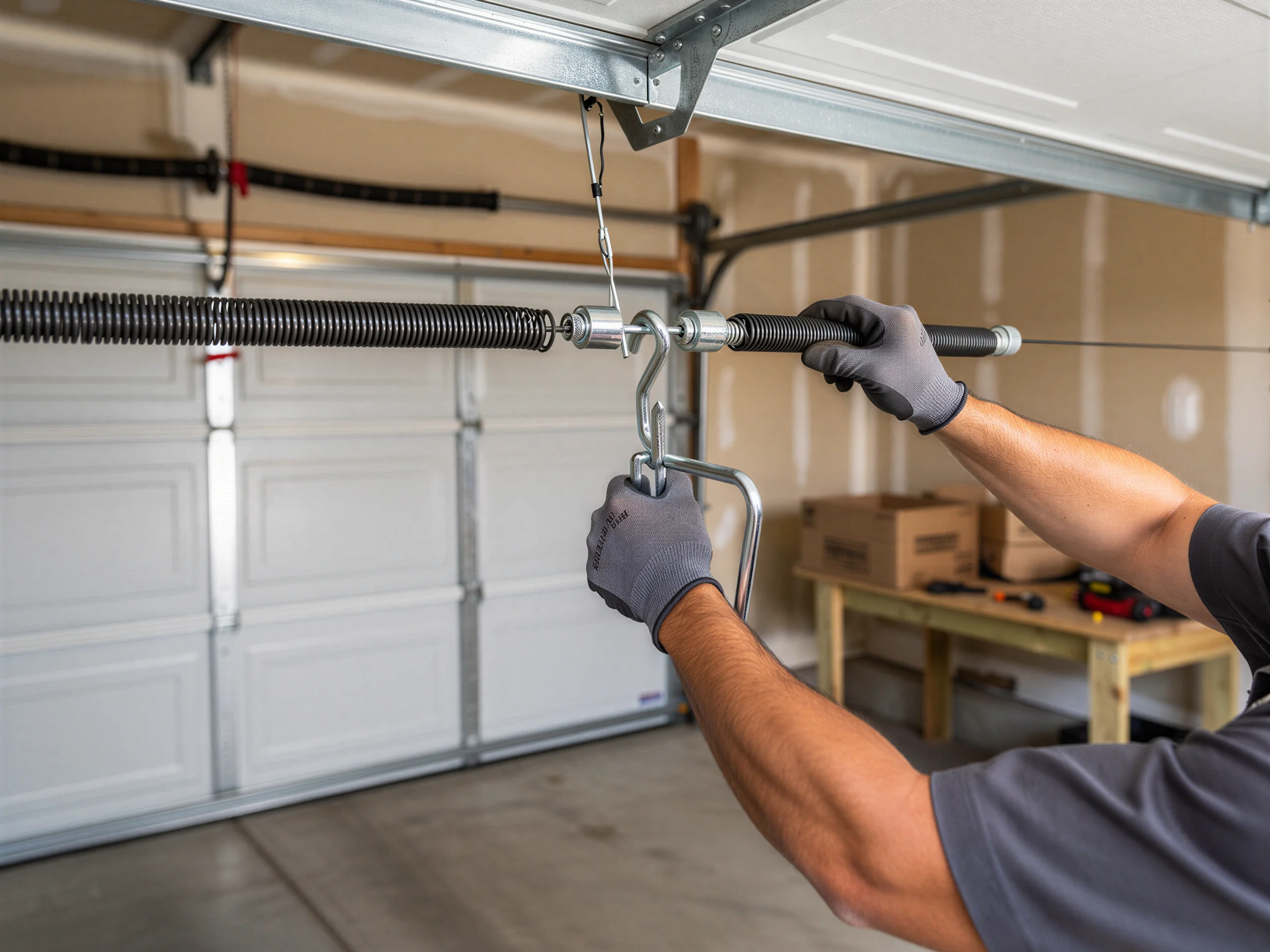
Spring Repair
Bee Cave homes mostly date to the 2000s, newer than the service area average. Learn more →Ready when you are
Need a garage door sorted in Leander?
Leander Garage Door Pros repairs and installs garage doors, springs and openers in Leander, TX and the surrounding area.